Reconciliation has become part of the script of corporate Canada – but who wrote it, and what does it conceal?

Through a variety of corporate reporting mechanisms, companies tell us themselves. Websites, financial statements, sustainability reports, and reconciliation action plans construct self-selected narratives of corporate relationships with Indigenous Peoples. While these corporate reports are often positioned as neutral instruments of transparency and accountability, they actually function as a site of power.

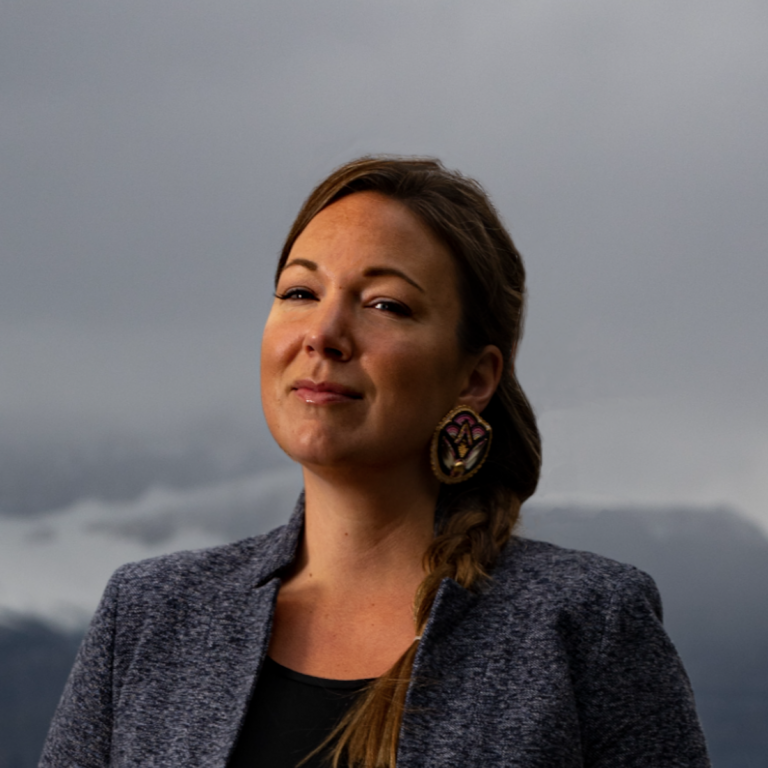
Drawing on primary documents of 70% of the largest companies listed on the Toronto Stock Exchange, this Yellowhead Special Report by Raylene Whitford examines how corporate reporting reframes contested social, ecological, and political realities into metrics, categories, and management narratives that advance corporate control while obscuring underlying power relations.

What corporations present as transparent accountability is, in practice, a controlled performance that aims to ensure ongoing extraction from Indigenous lands and resources.Corporate reporting is not merely about information-sharing (with investors, regulators, the public, etc.), but is a tool to construct legitimacy, consolidate corporate authority, while continuing to limit Indigenous rights
and jurisdiction.

KEY QUESTIONS

Canadian companies have joined the movement toward reconciliation. But how do Indigenous rights and jurisdiction factor into their vision of industry-Indigenous relations?

Corporate reports do not simply reveal reality; they construct a version of events that upholds a company’s credibility and, ultimately, authority. Through these disclosures, companies signal to investors, regulators, and the public that they are responsible, responsive, and behaving as expected.

author

Raylene Whitford

Raylene Whitford

Métis, Treaty 6 Territory

artist

Bailey Macabre

Bailey Macabre

Nêhiyaw Michif, Ukrainian