Recap | 2026 Misko Aki Knowledge Exchange
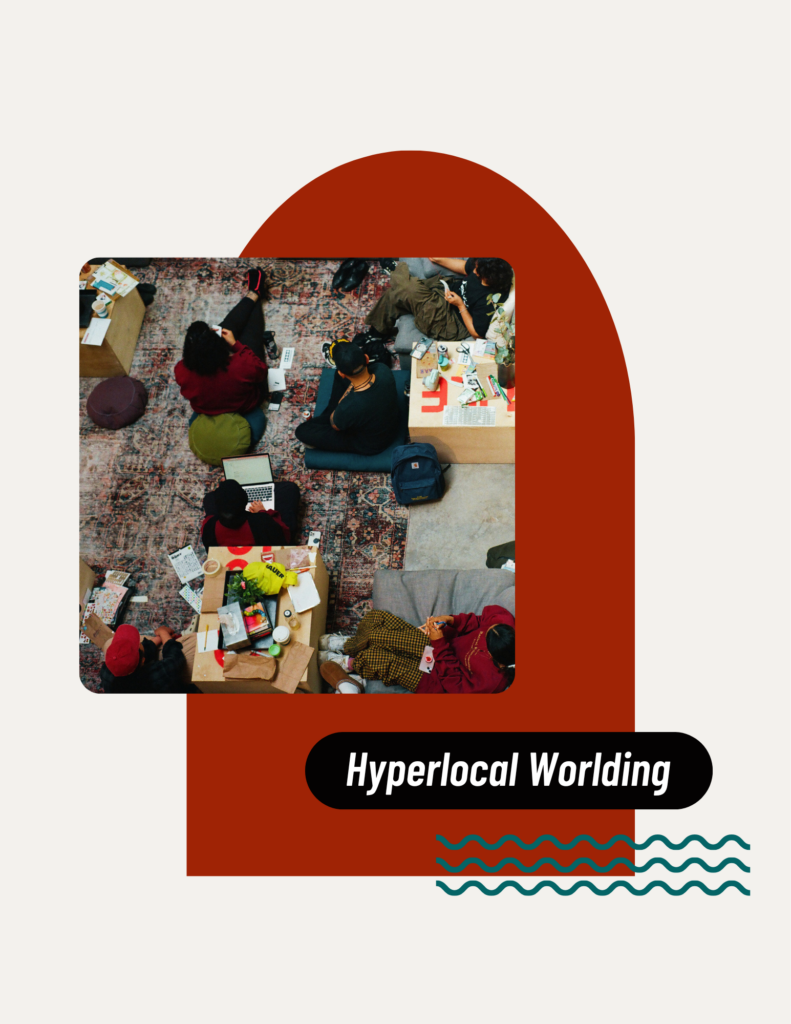
Hyperlocal Worlding
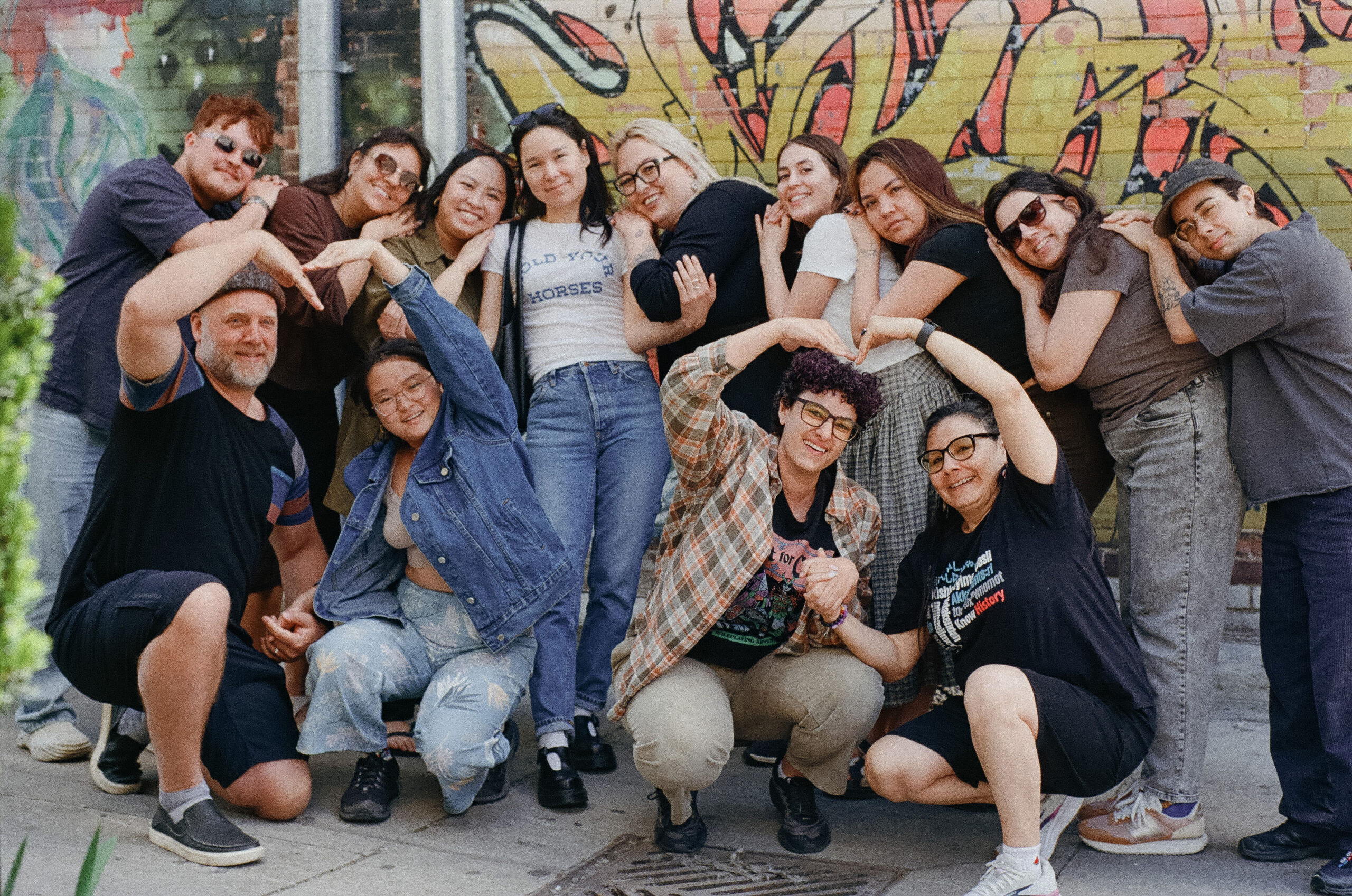
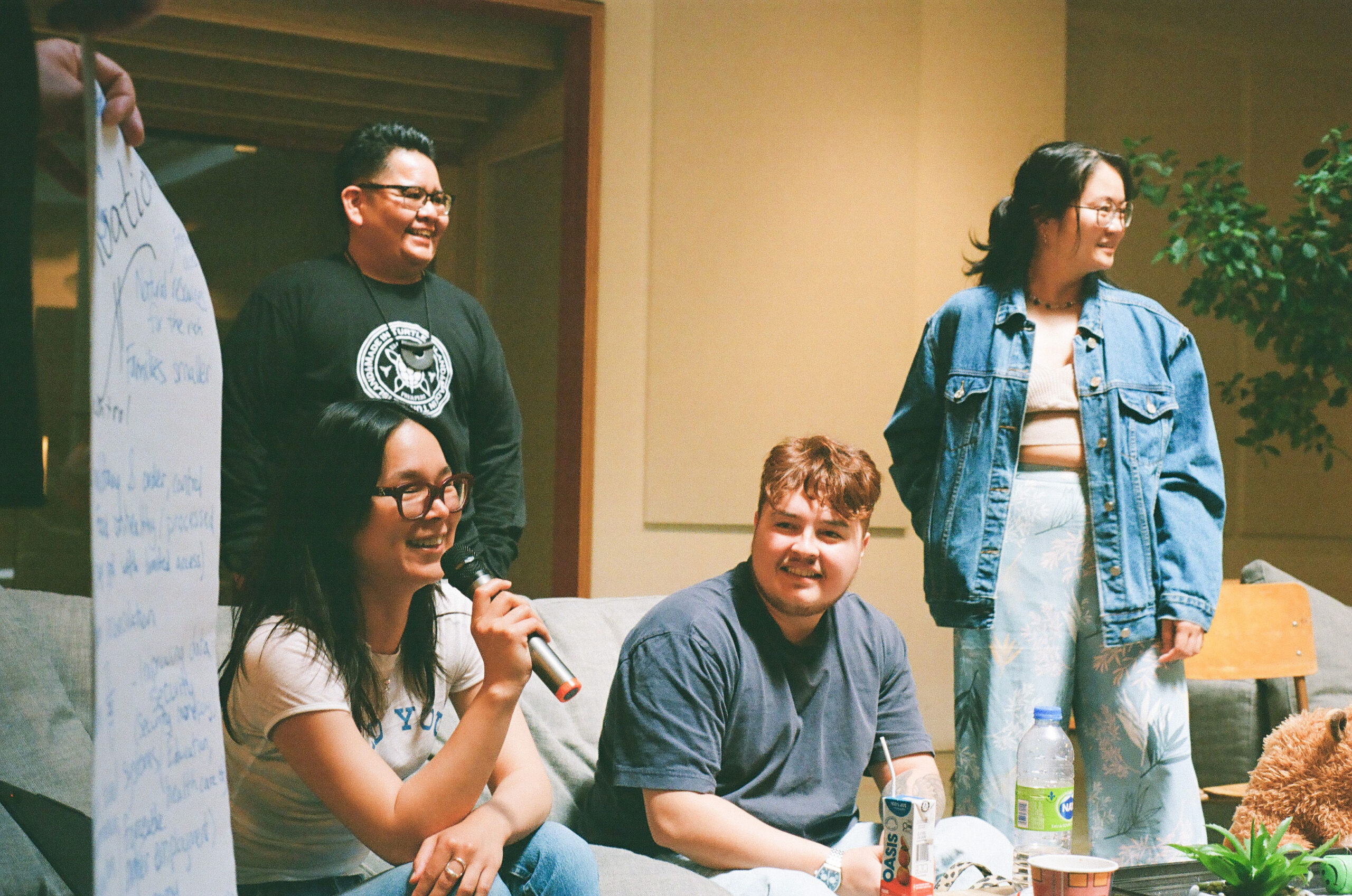
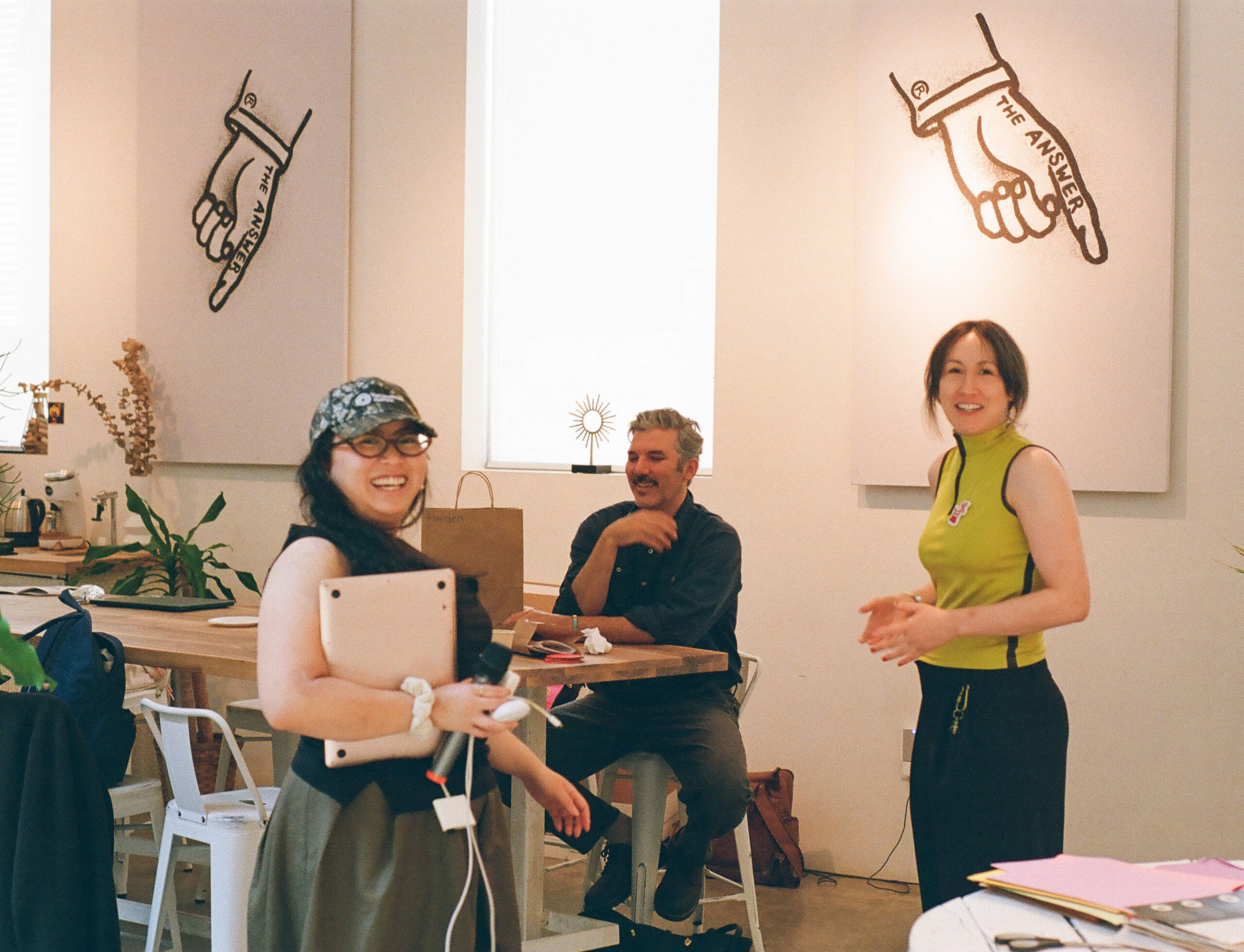
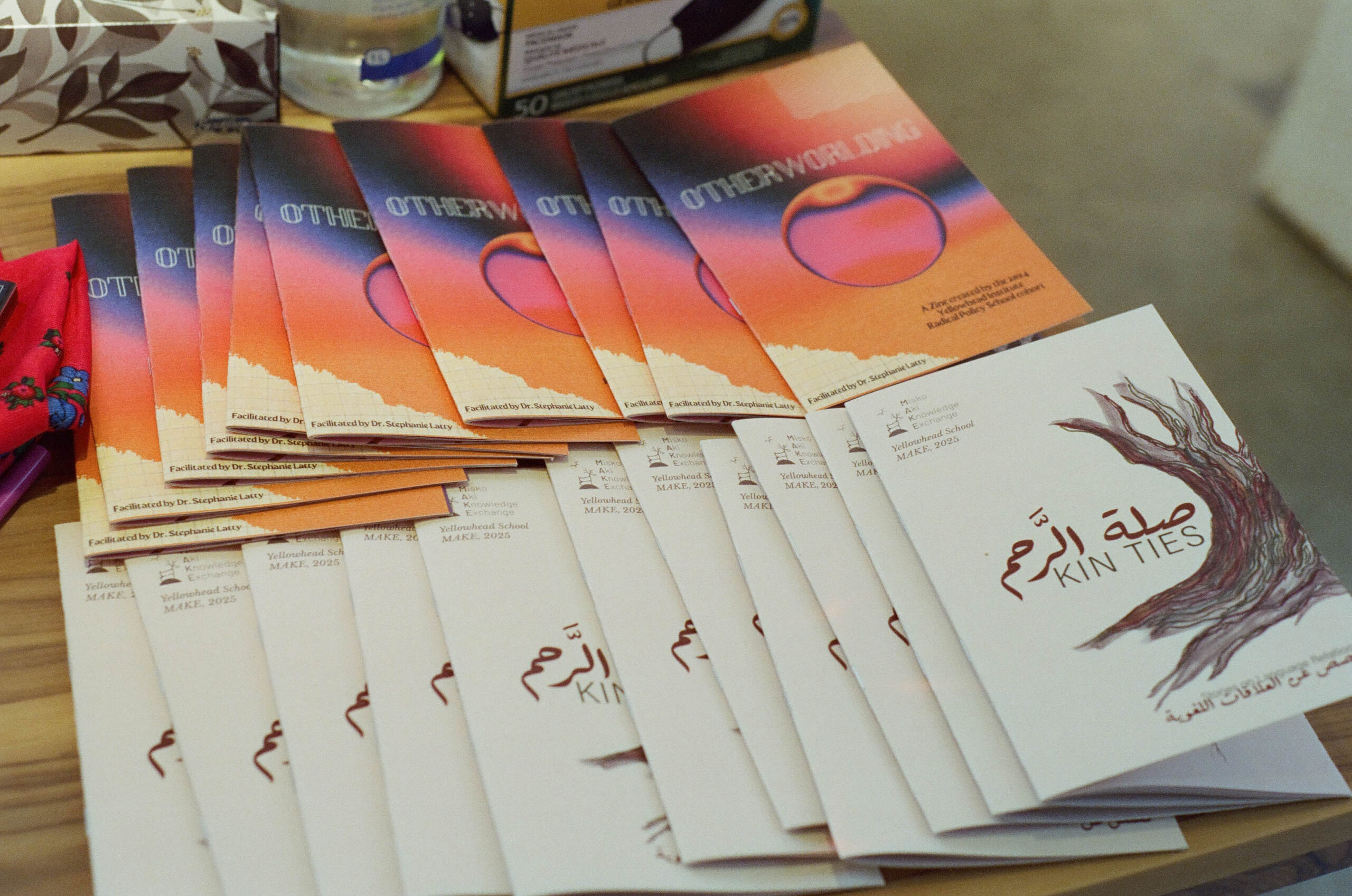
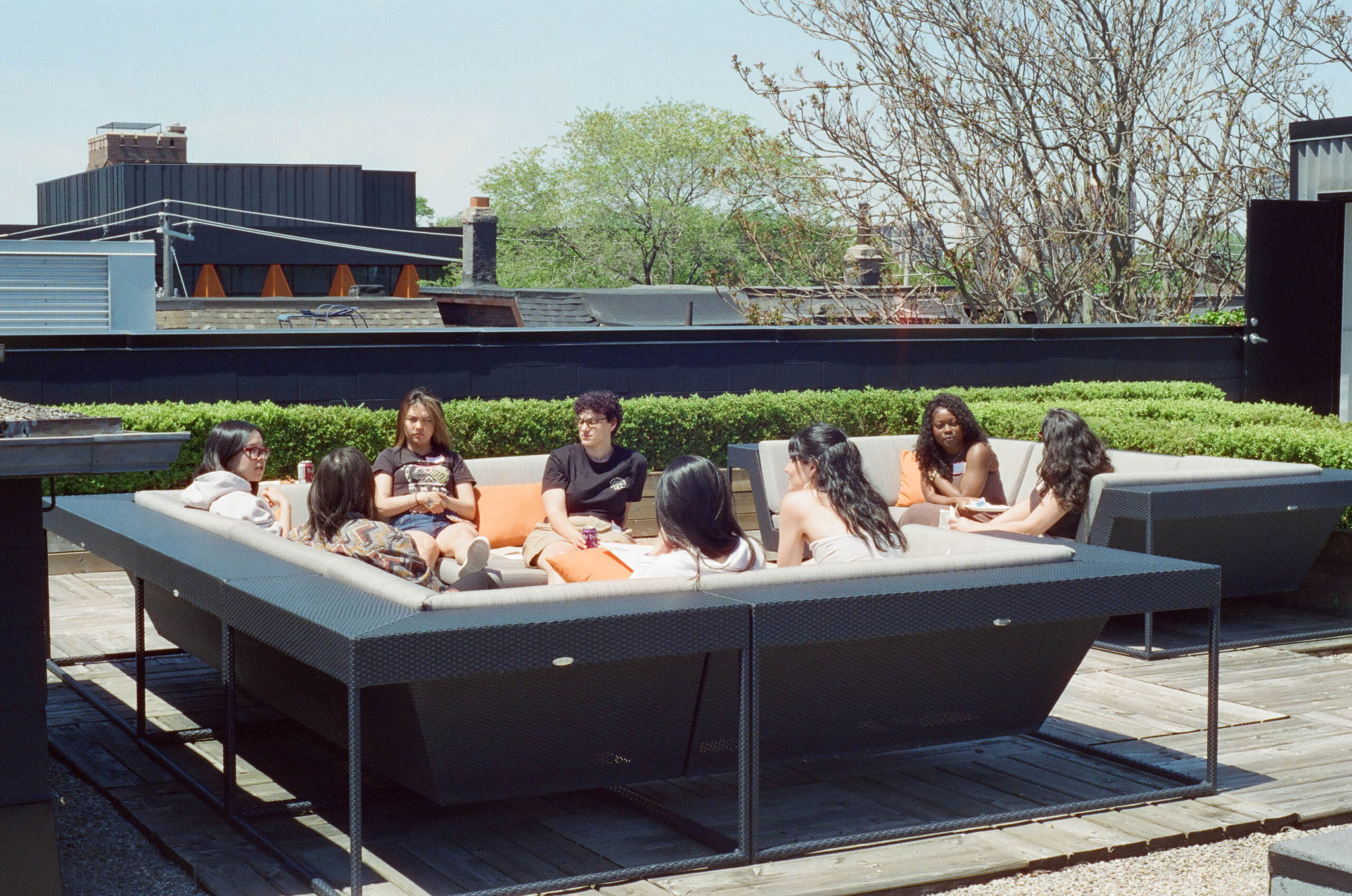
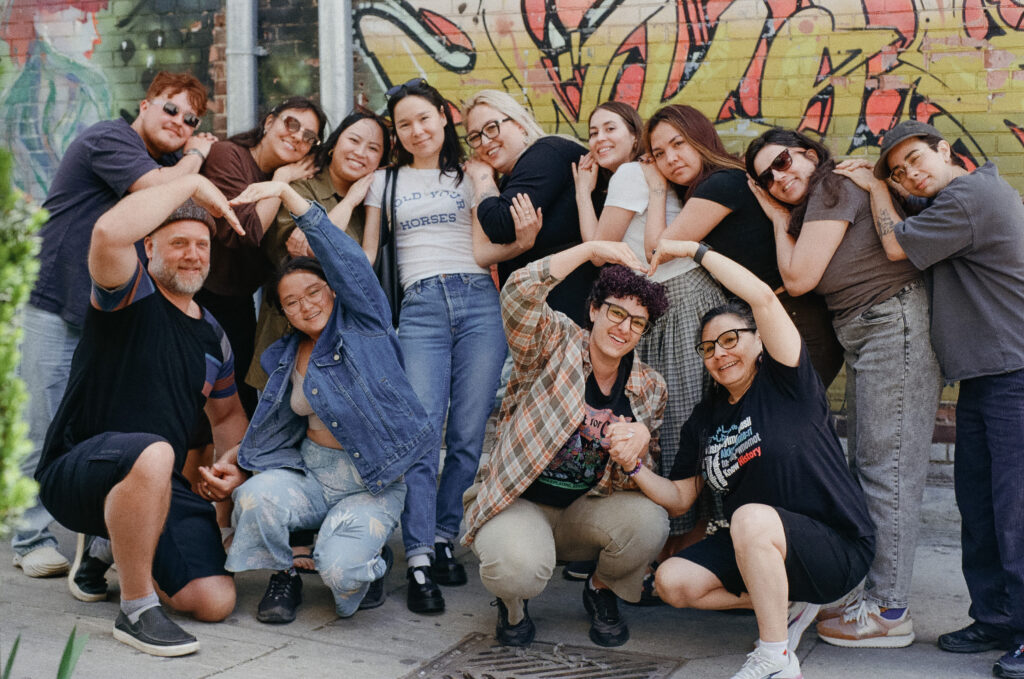
In 2026, Yellowhead School welcomed our third cohort of the Misko Aki Knowledge Exchange (MAKE) program. This year, MAKE included 17 students, 13 Yellowhead team members (core staff and research assistants), 13 faculty members, and additional collaborators.
This year’s theme was Hyperlocal Worlding, inspired by the far reach of neighbourhood organizing and the concept of ‘worlding’ coined by postcolonial scholar Gayatri Chakravorty Spivak. It guided us to scheme and dream over community organizing, analogue storytelling, Indigenous internationalisms and more.
Scroll through below for a few program highlights and reflections from MAKE 2026.
Program Highlights
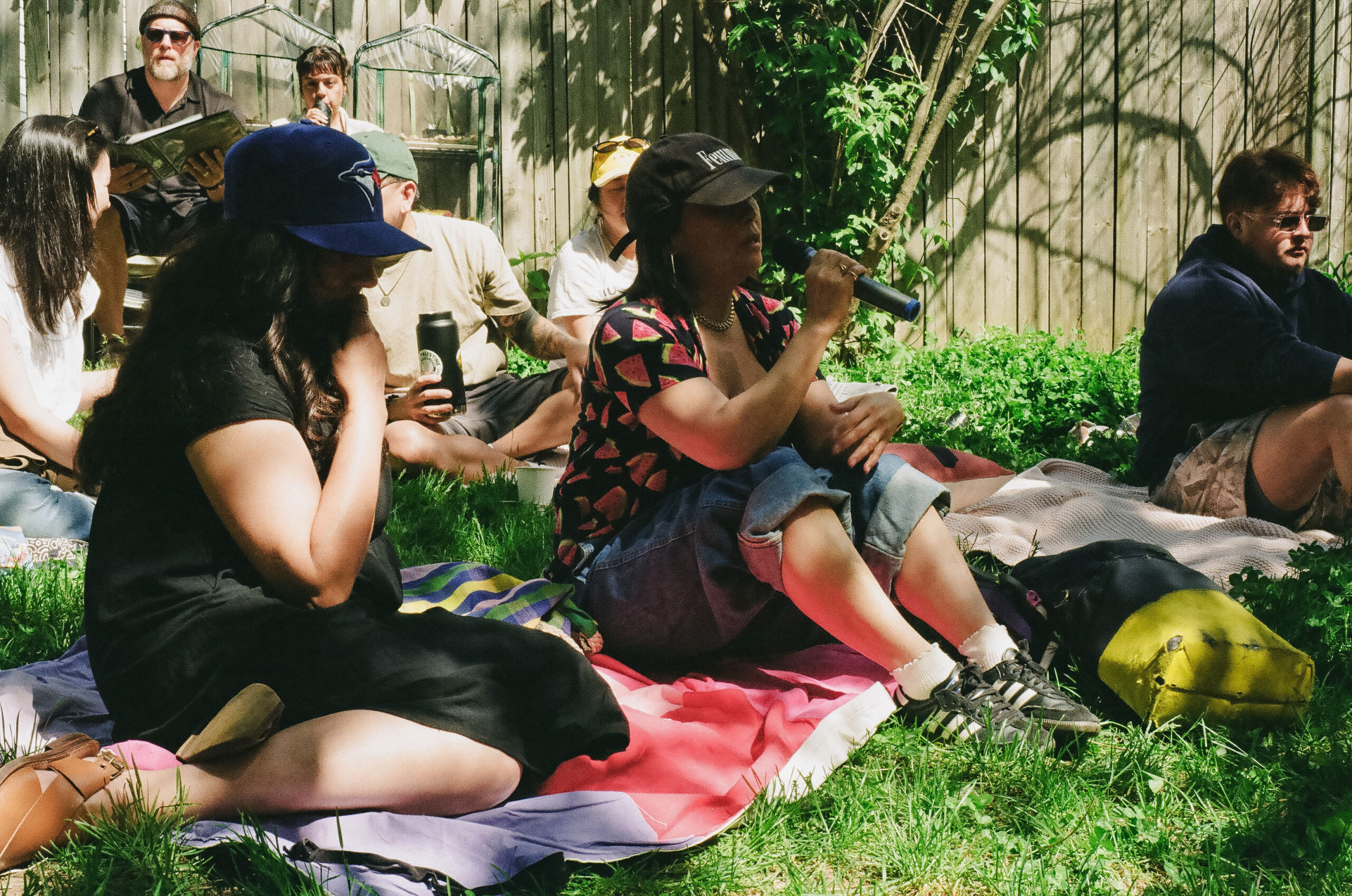
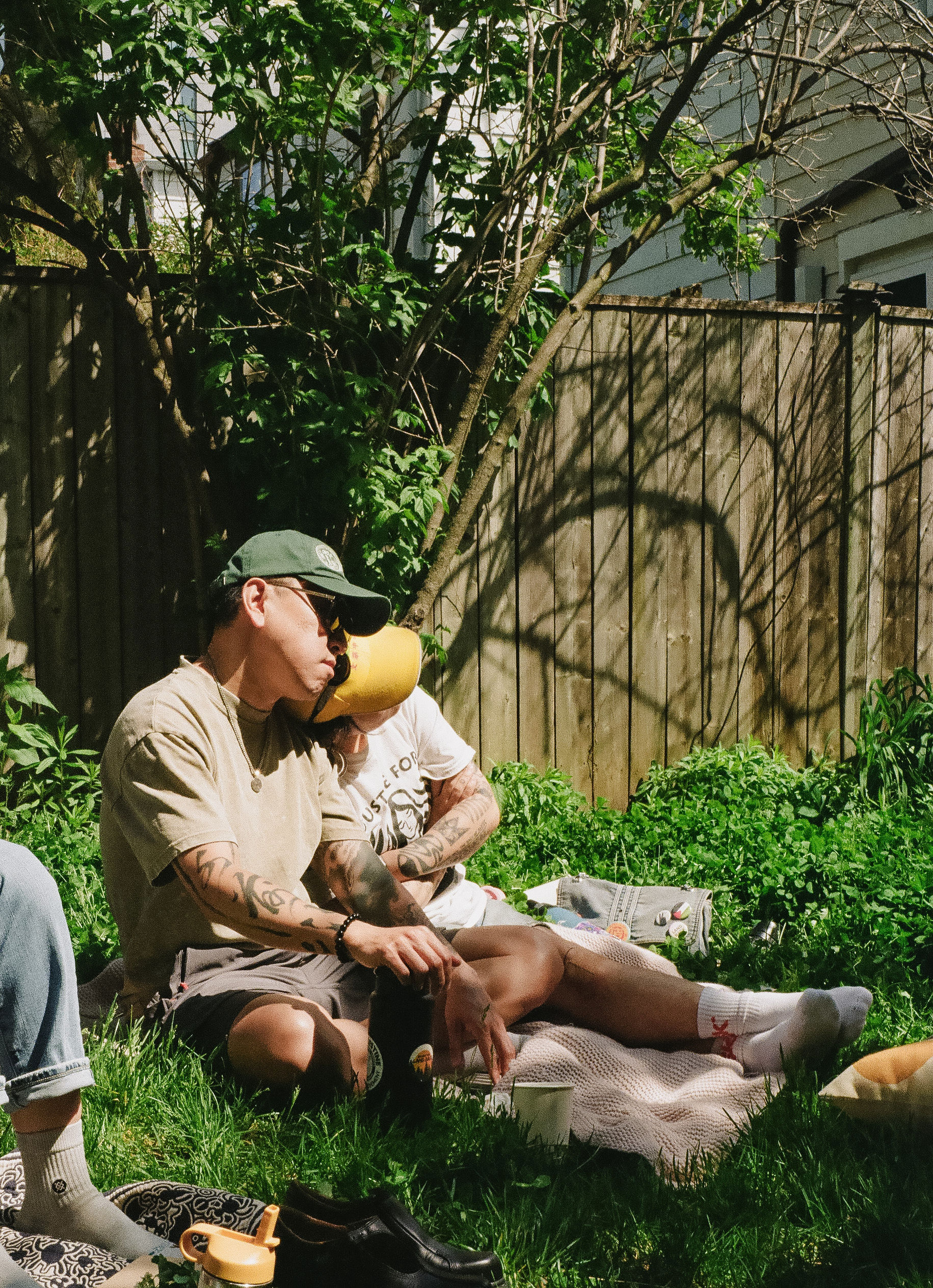
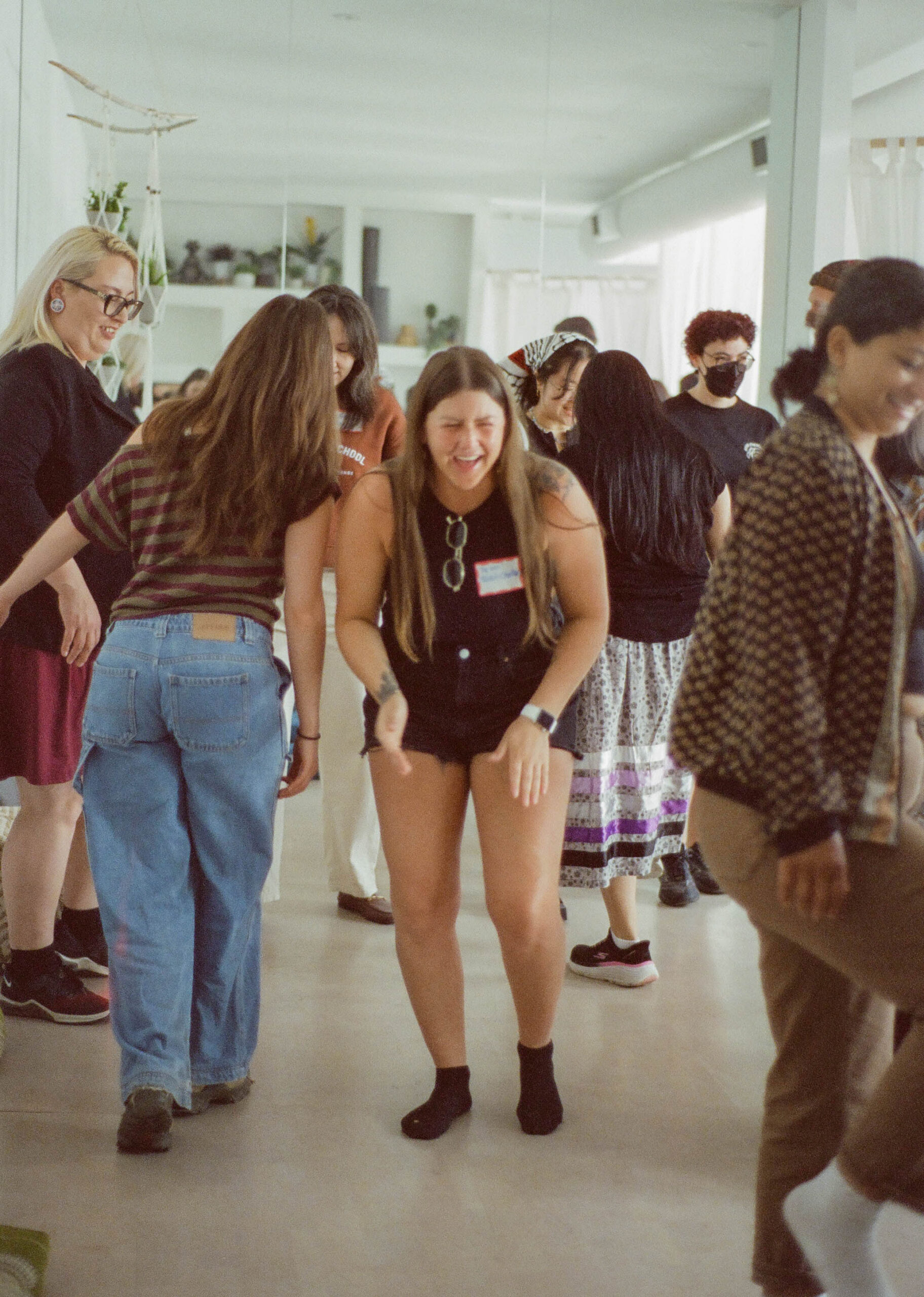
There were many program highlights and examples of where we practiced hyperlocal worlding, including engaging in land-based learning, experimenting with embodied somatic practices, and learning from local practitioners and educators.
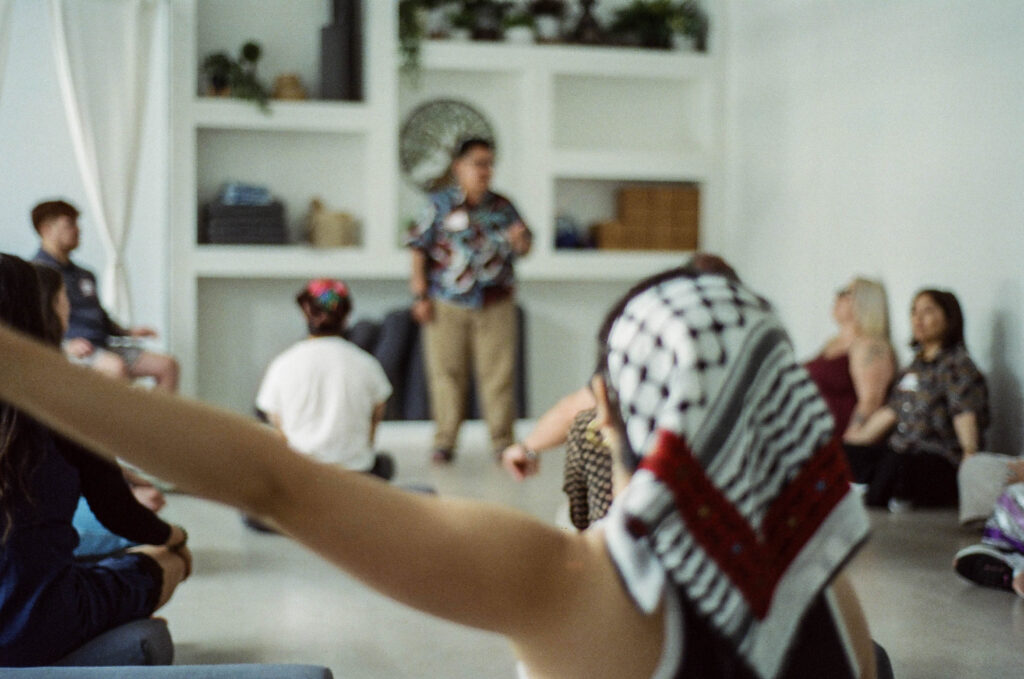
01. Facilitated Embodied Somatic Practices
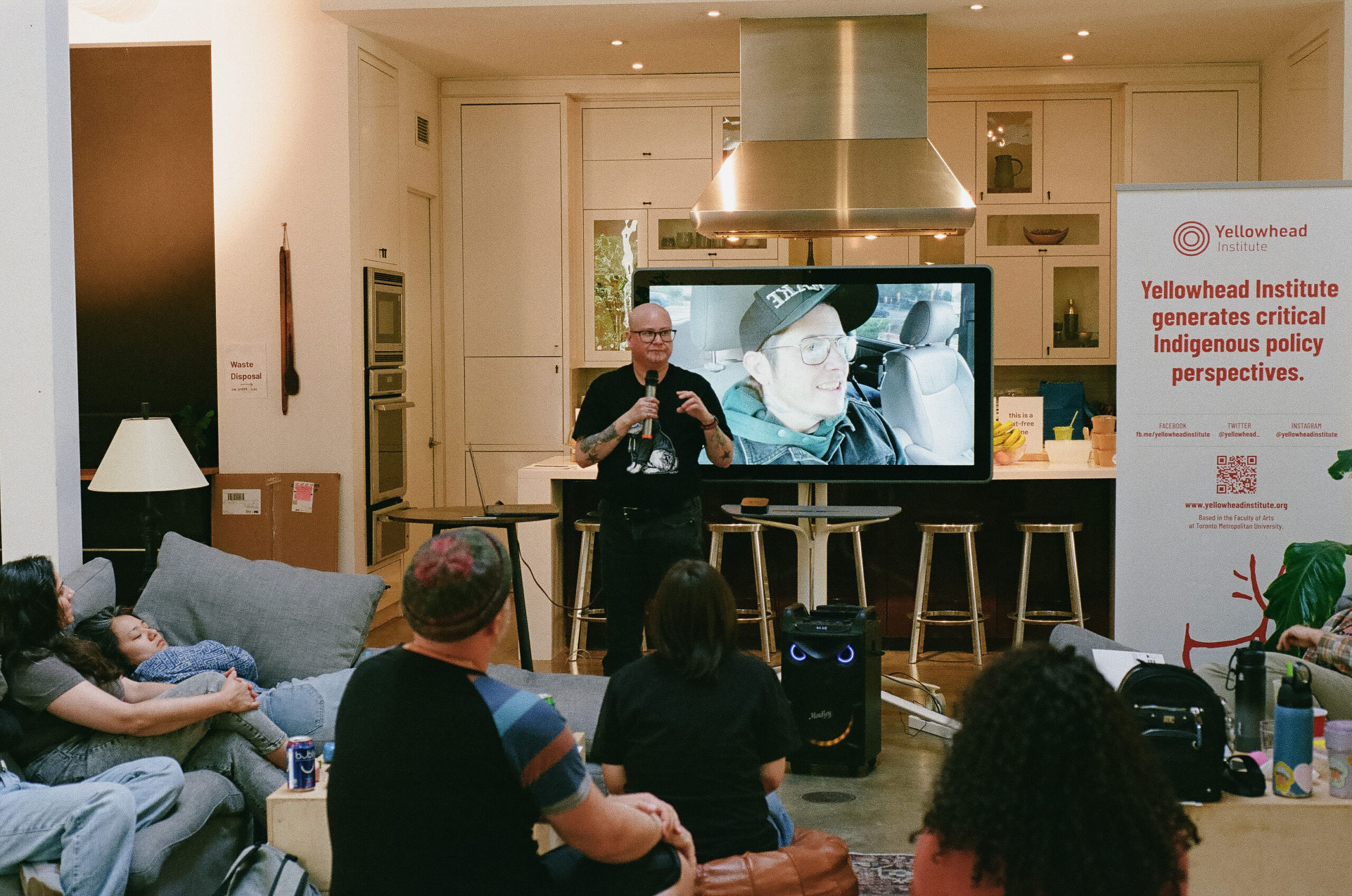
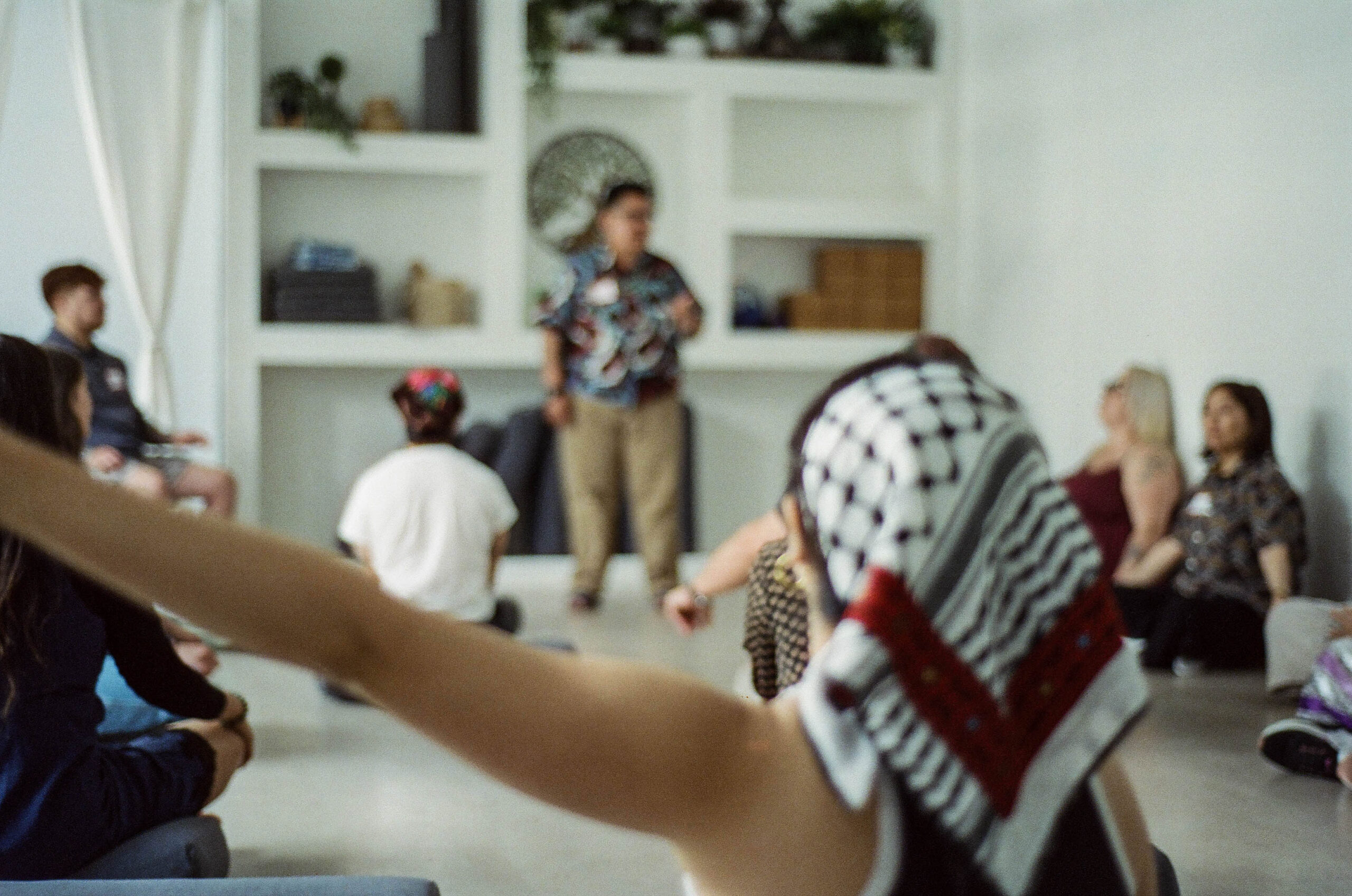
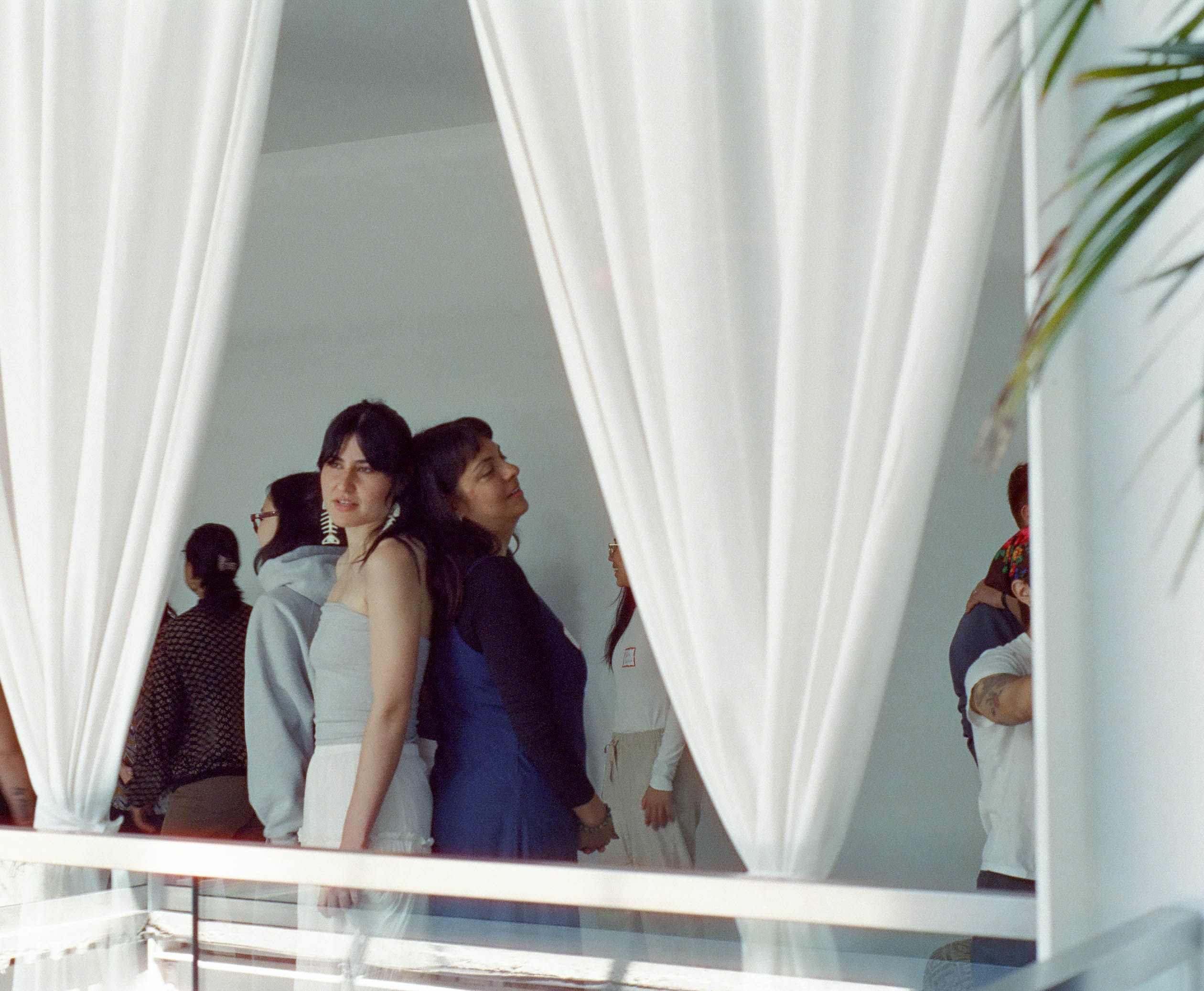
This year, greater attention was placed on integrating somatic practices throughout the program. Led by Nazbah Tom, somatic exercises were used to support participants through moments where a practice was necessary to move through different emotions or flux points in the program.
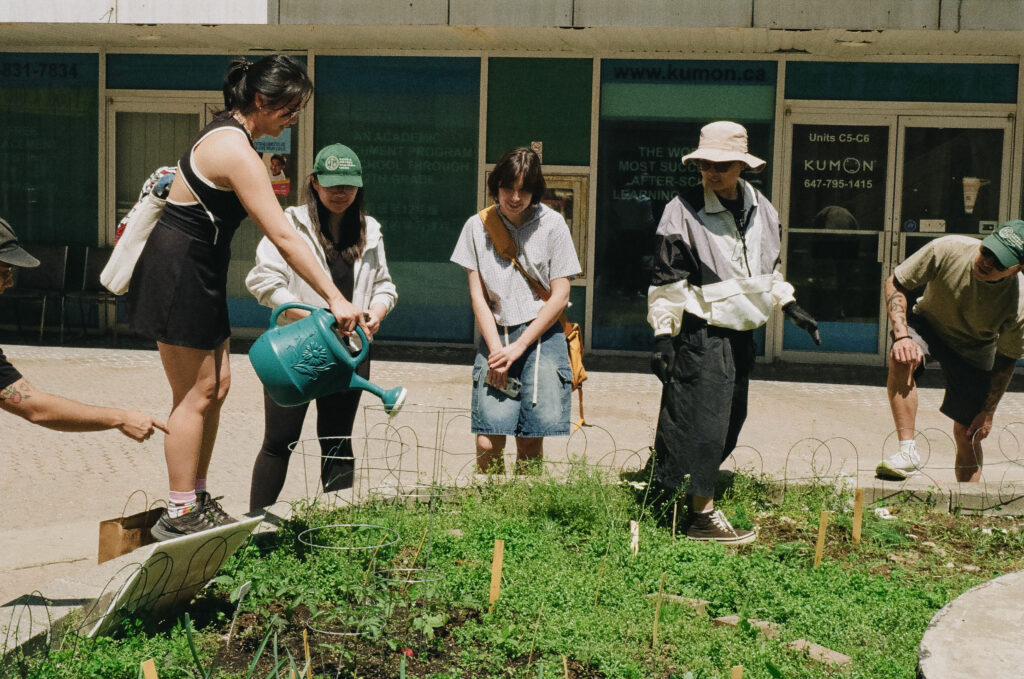
02. Land-based Learning
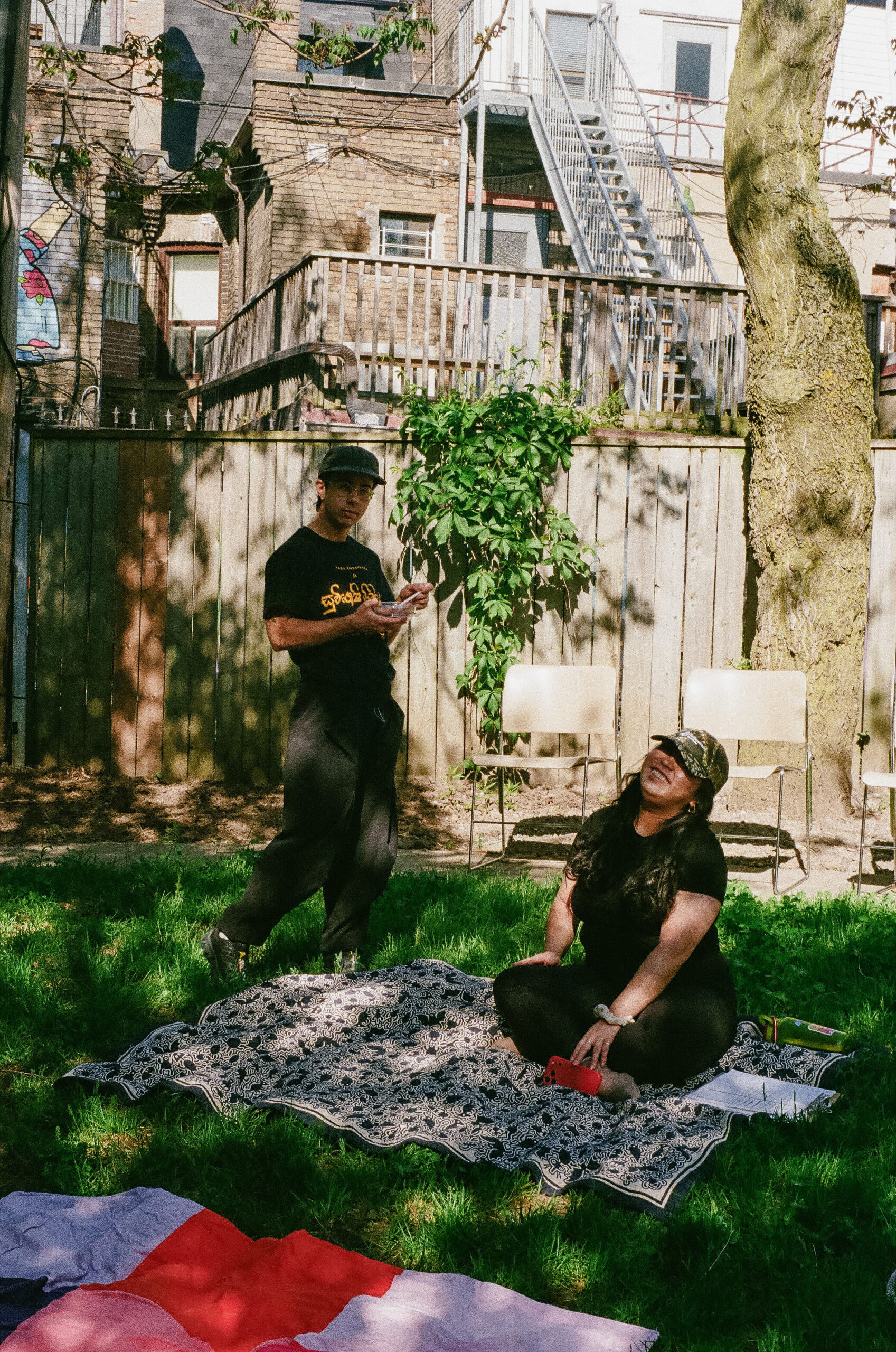
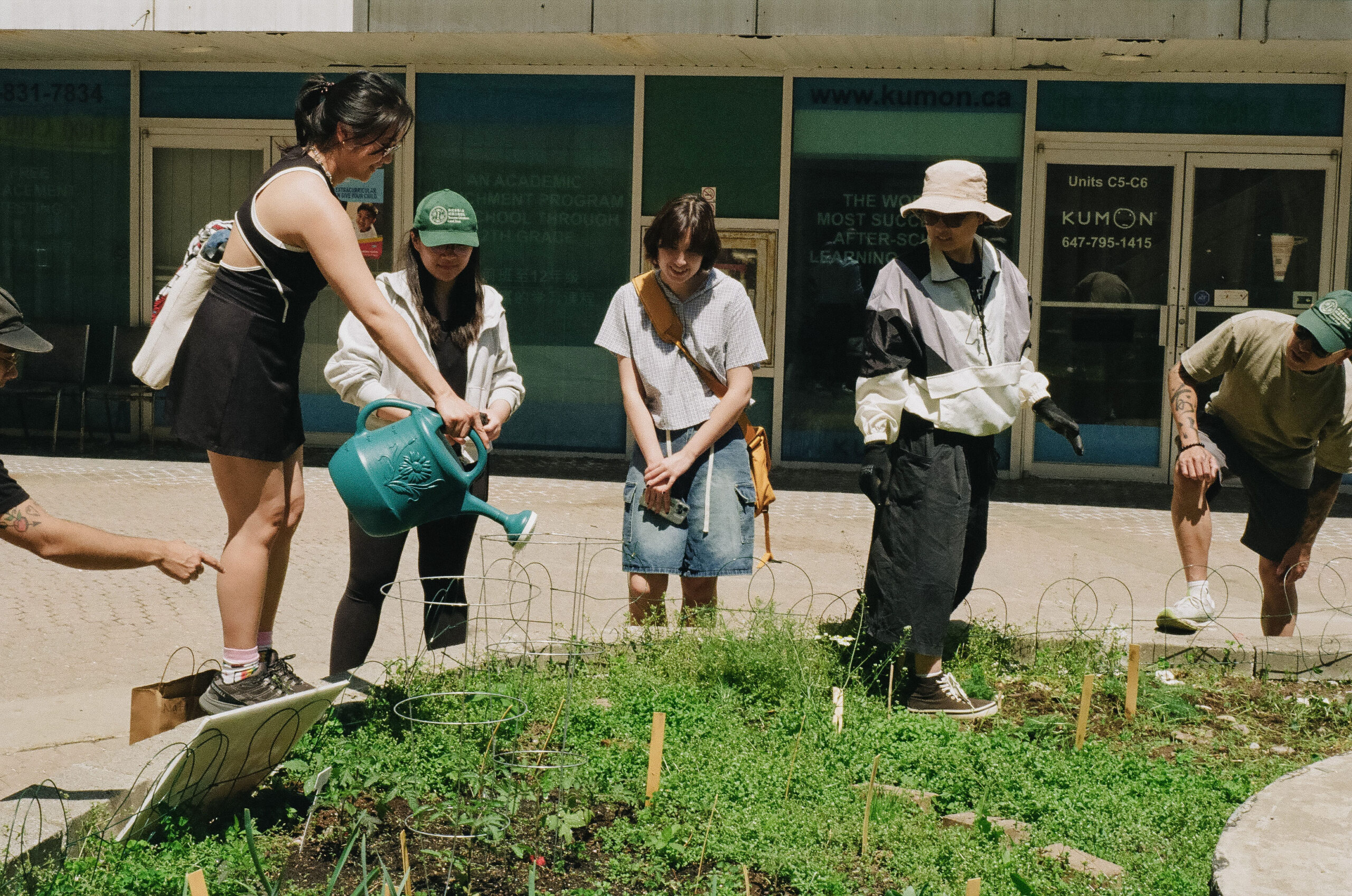
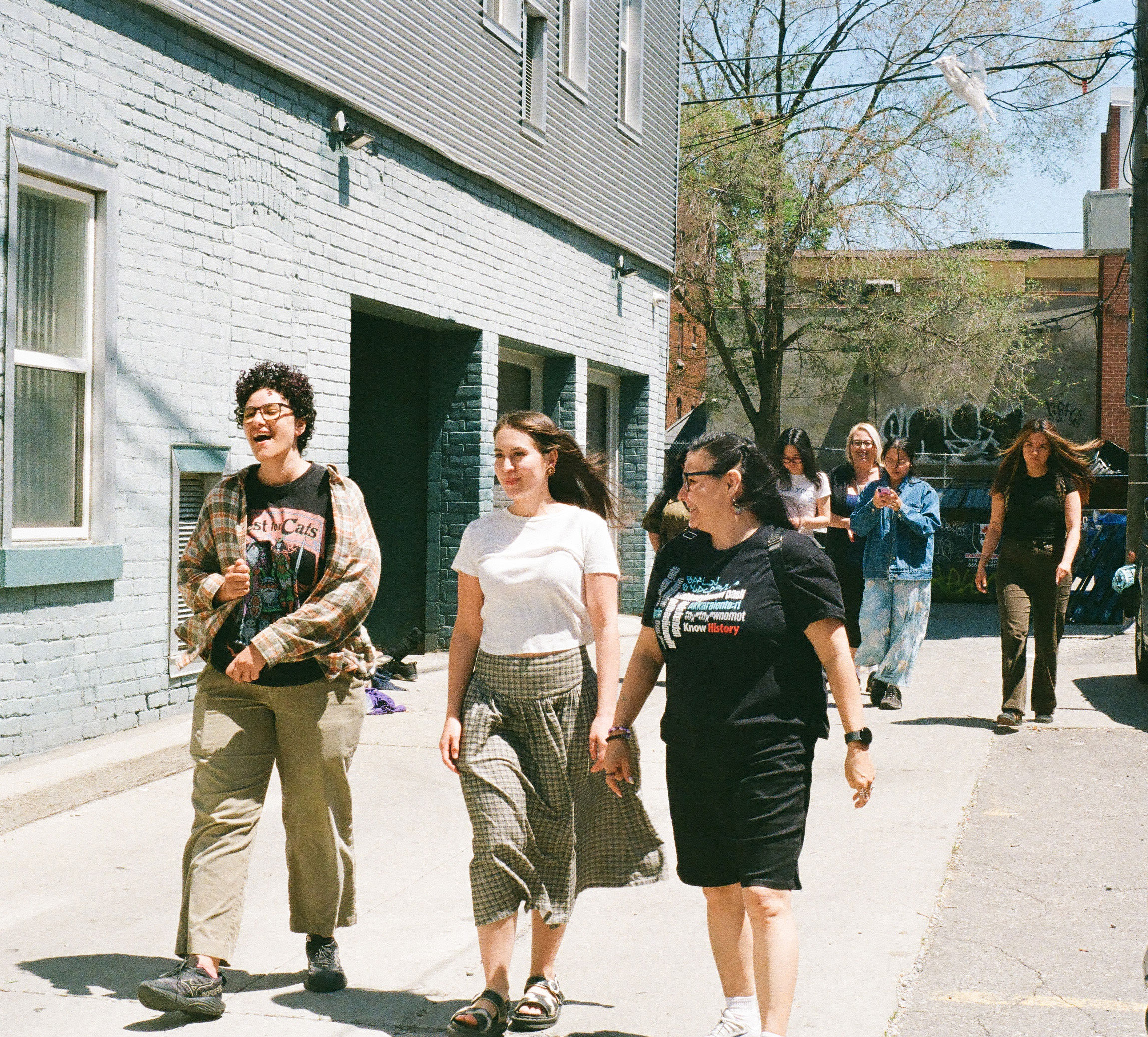
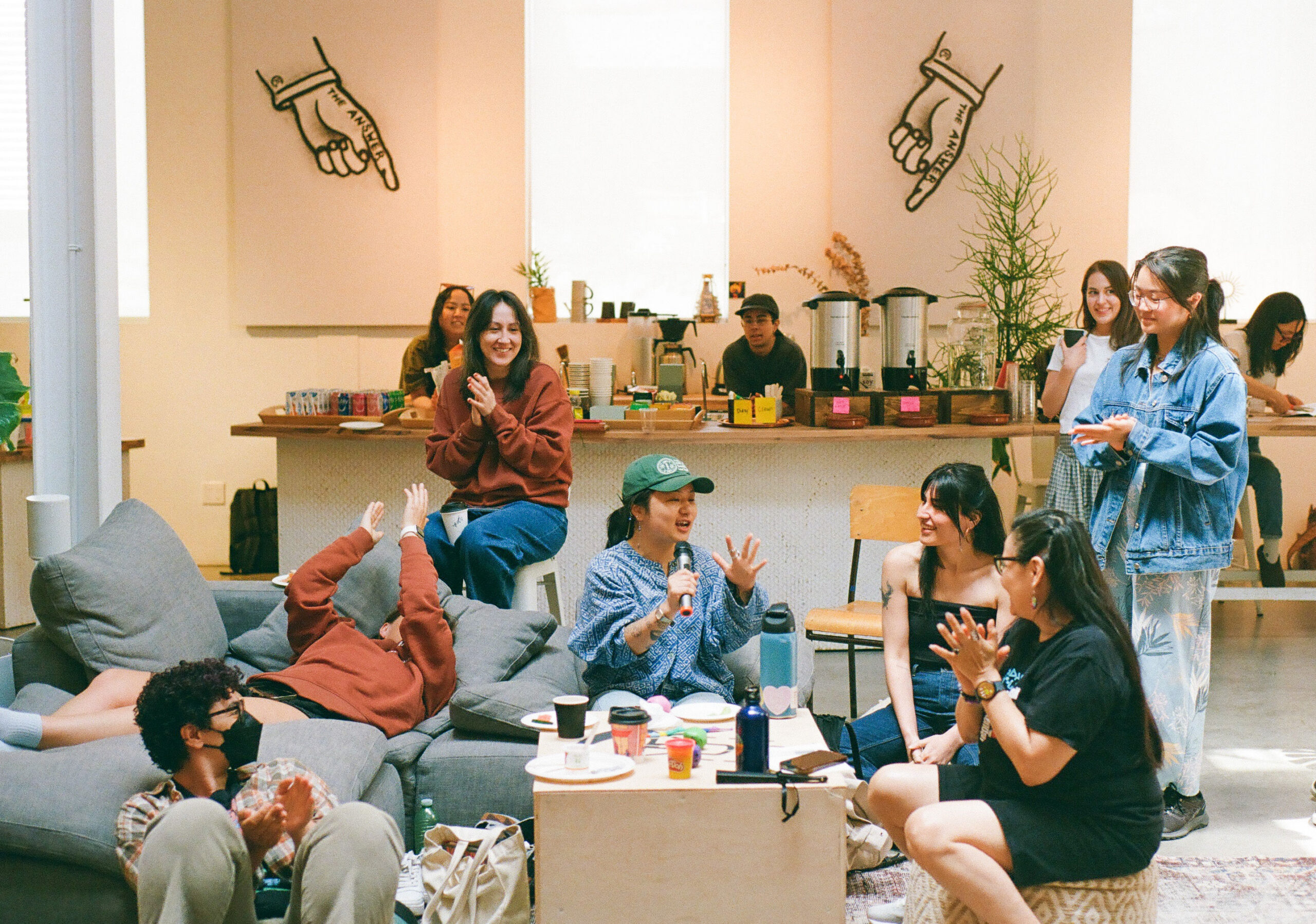
How to Love a River (at a Chinatown Garden) was led by Kelsi-Leigh Balaban, Cheyanne Valencia-Hinds, and Sam Wong, MAKE alumni and Yellowhead collaborators. MAKE participants took part in land-based learning, including the planting of Native plants in the Chinatown Anti-Displacement garden. The gathering was a beautiful showing of solidarity building, with connections across MAKE years. Many former MAKE members are connected to the garden, community centre, and practices of Indigenous land stewardship.
03. Chinatown Land Trust & New Solidarities
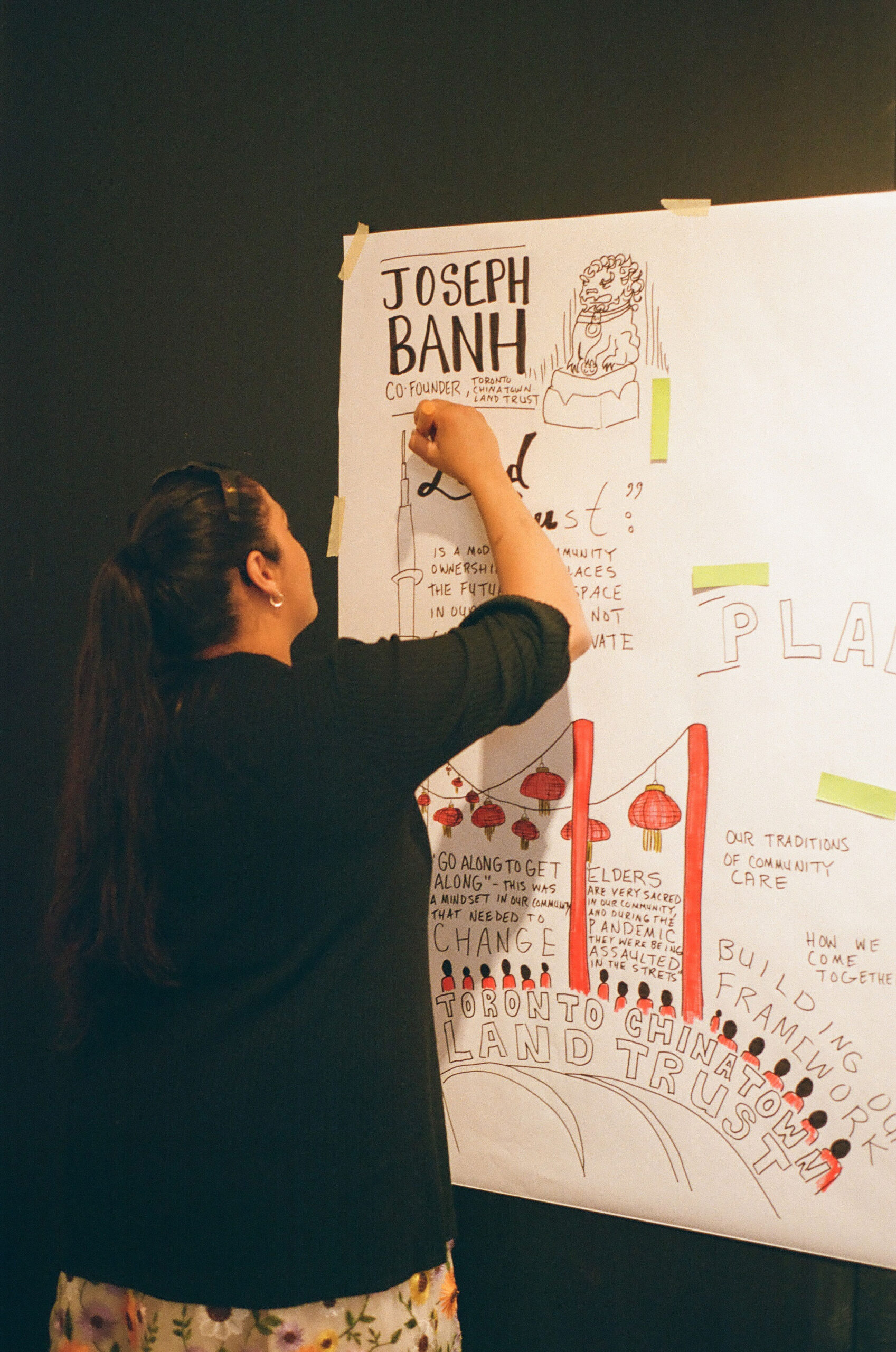
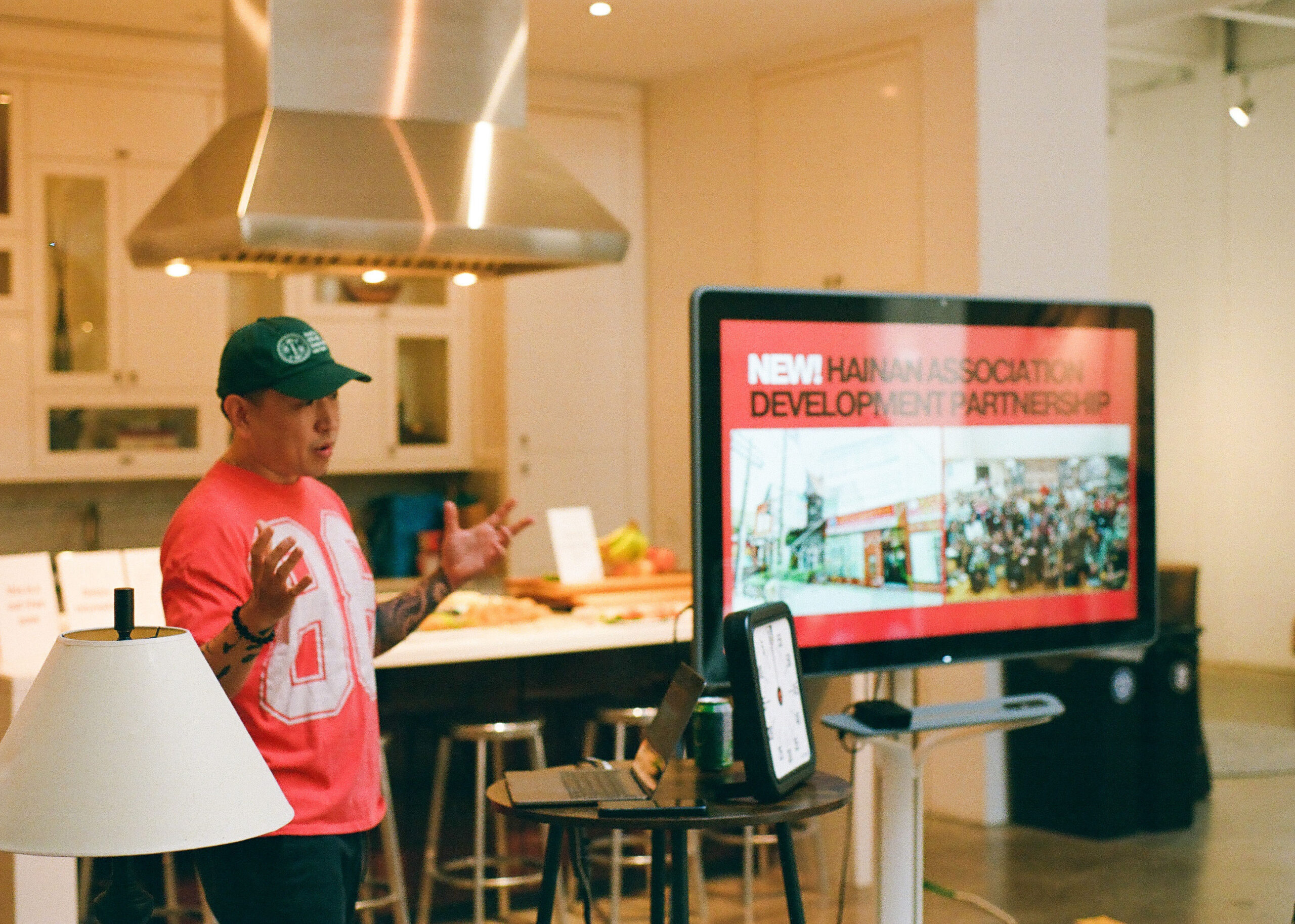
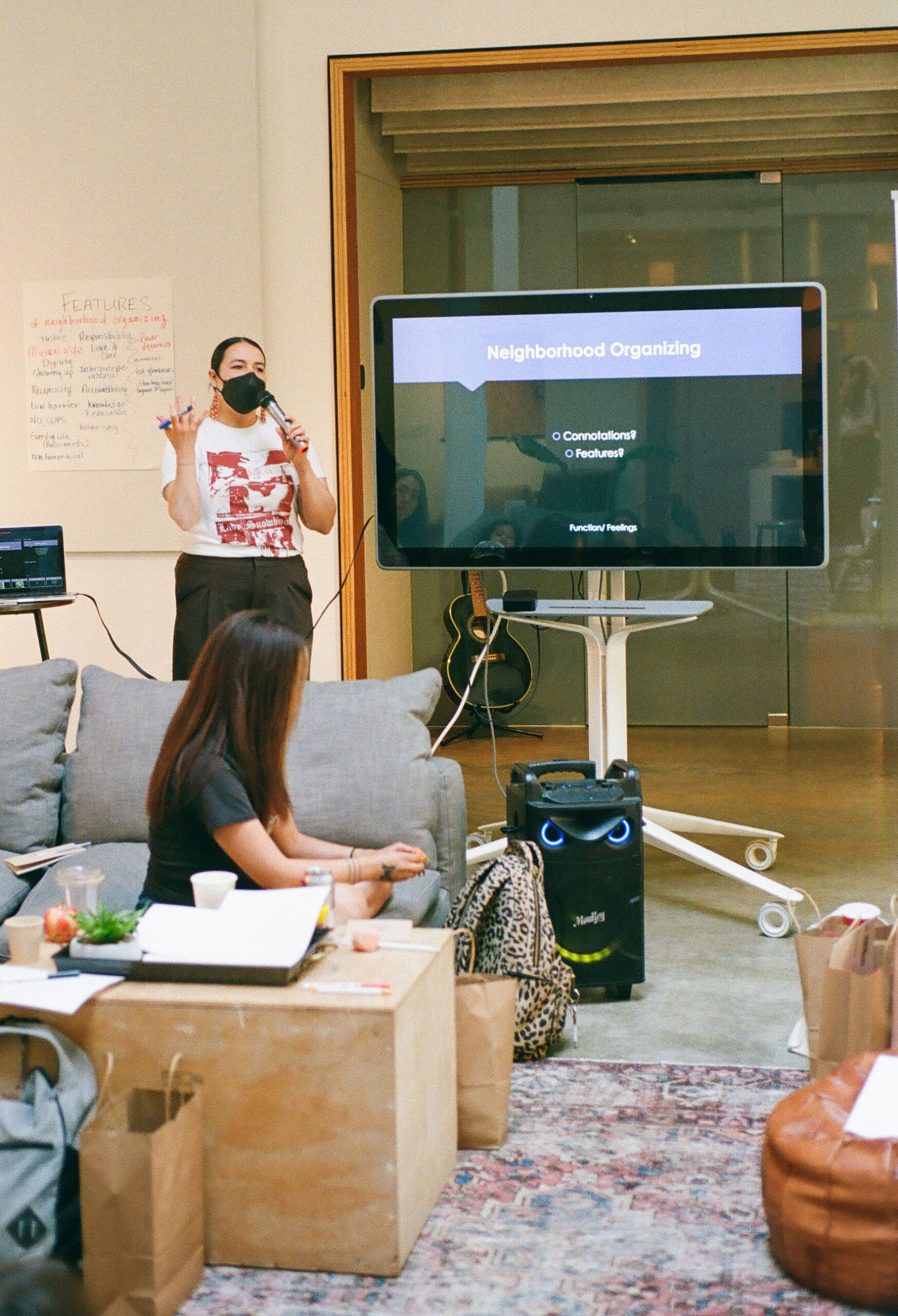
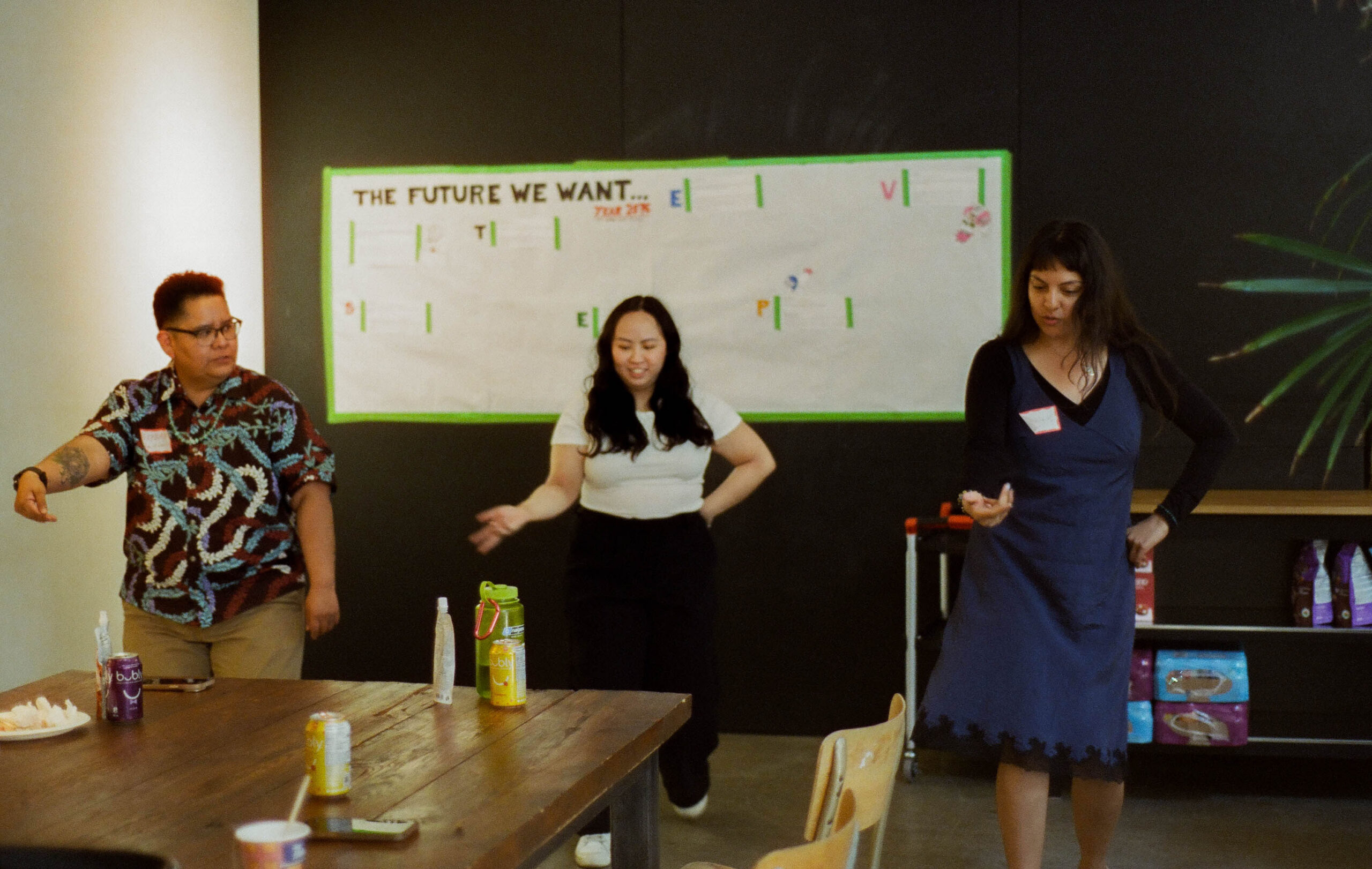
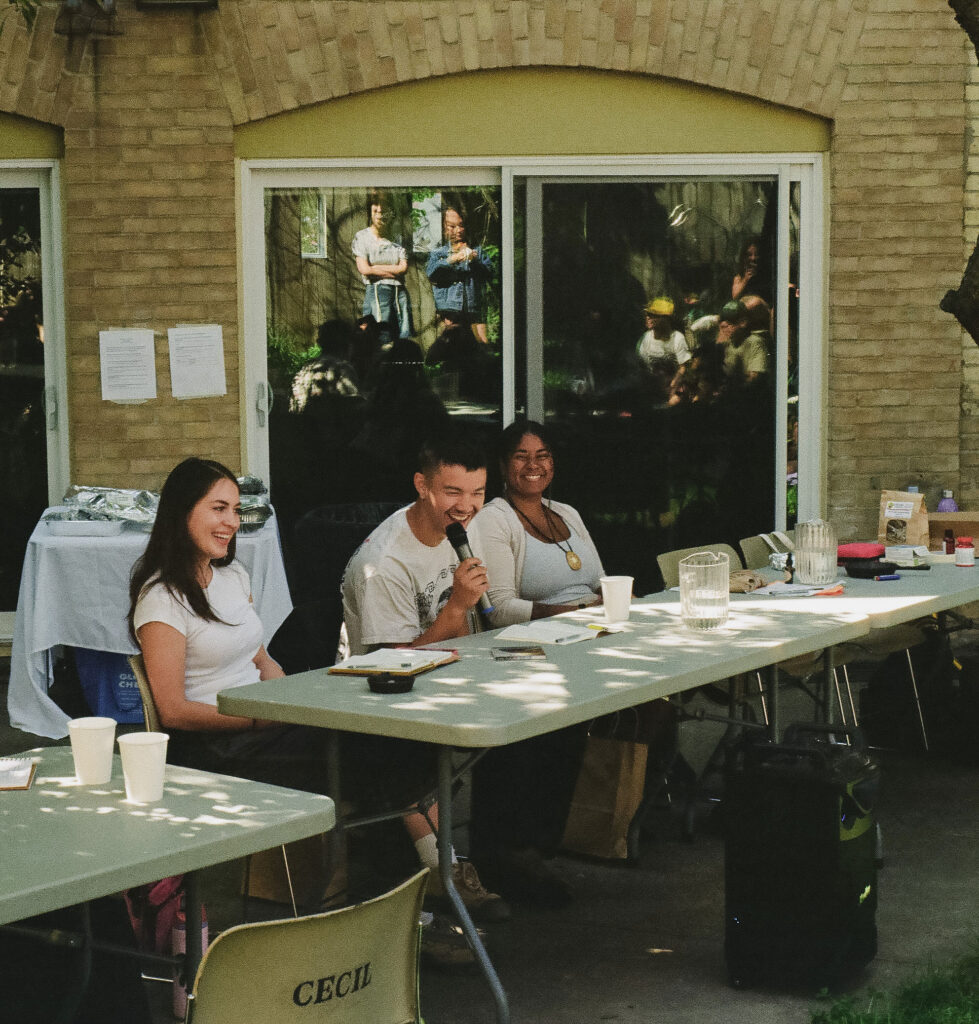
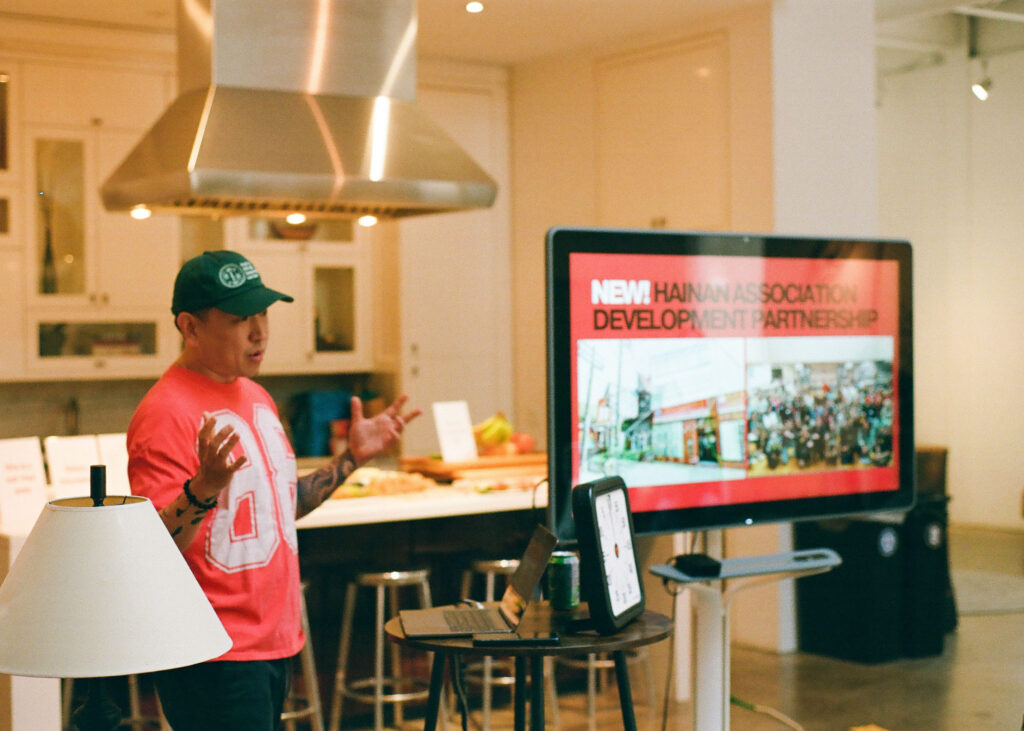
Joe Banh (RPS/MAKE 2024 alum) led Chinatown Land Trust and New Solidarities, a workshop focused on the theme of planting seeds of change, specifically in the context of land trusts and futurisms. In small groups, participants explored various future scenarios of possibilities of the world in 2076 and brainstormed ways to fight / defend / build the futures they envision.
Graphic note recorder and artist, Dakota Brant, visually captured the session.
04. Dialogue Through the Arts
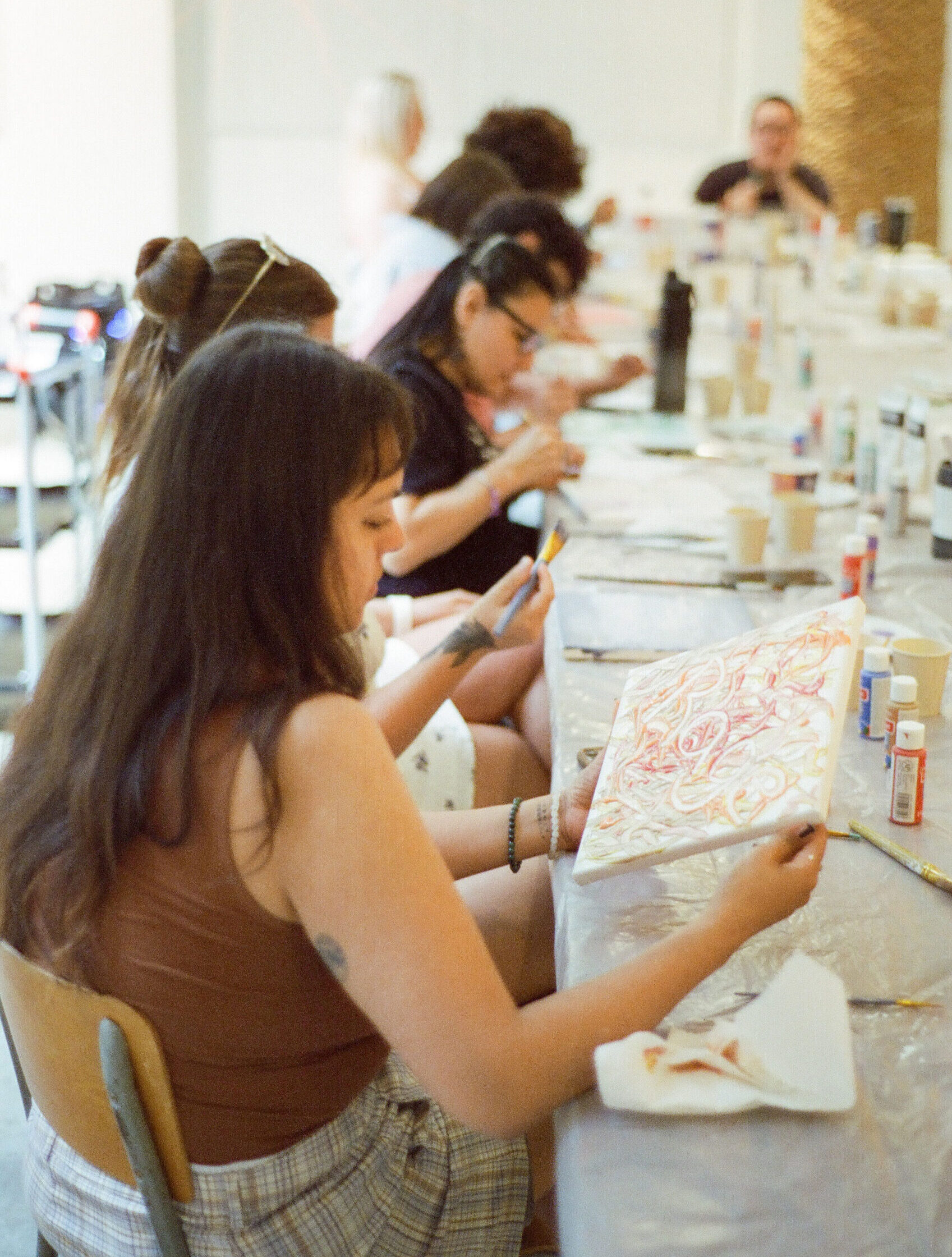
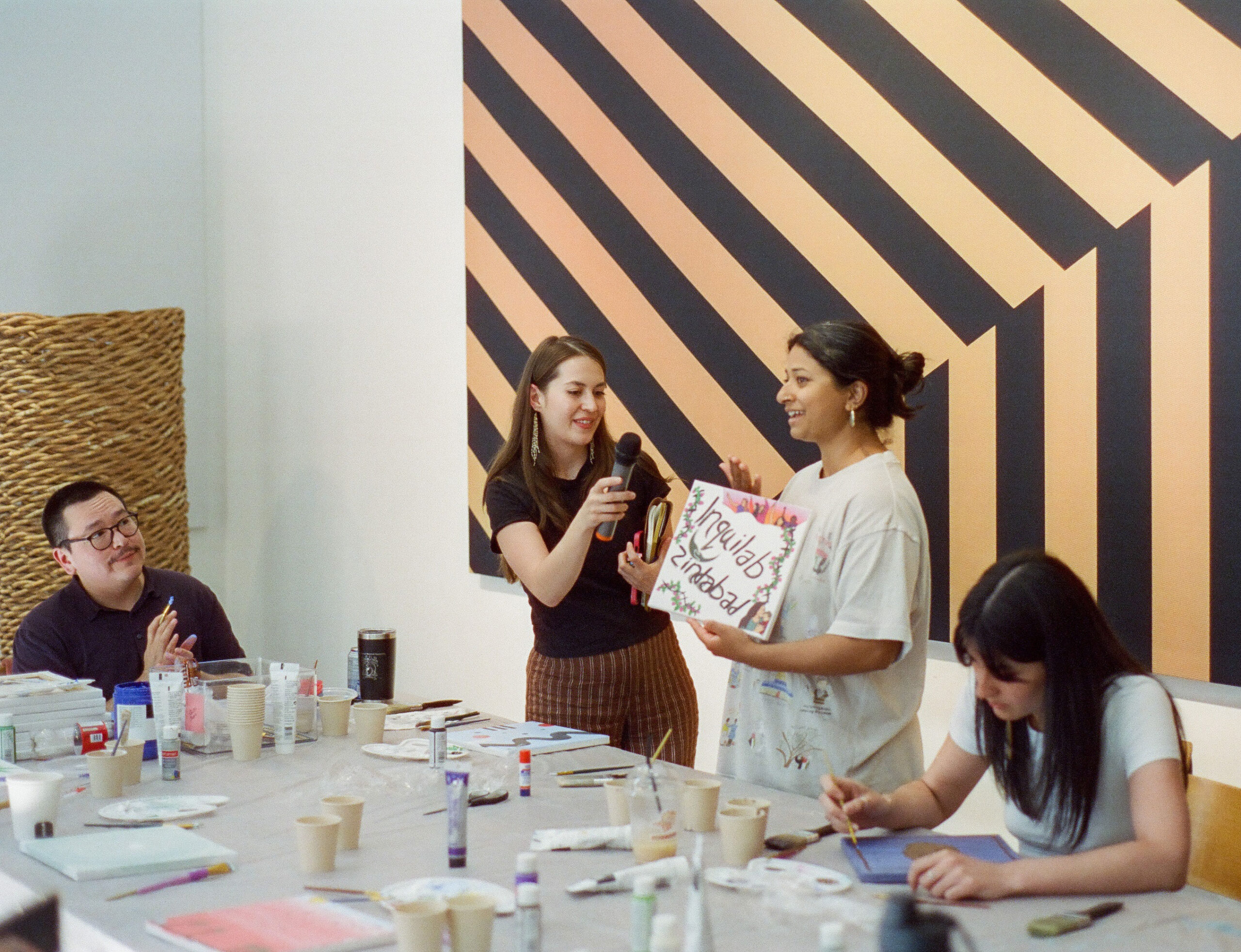
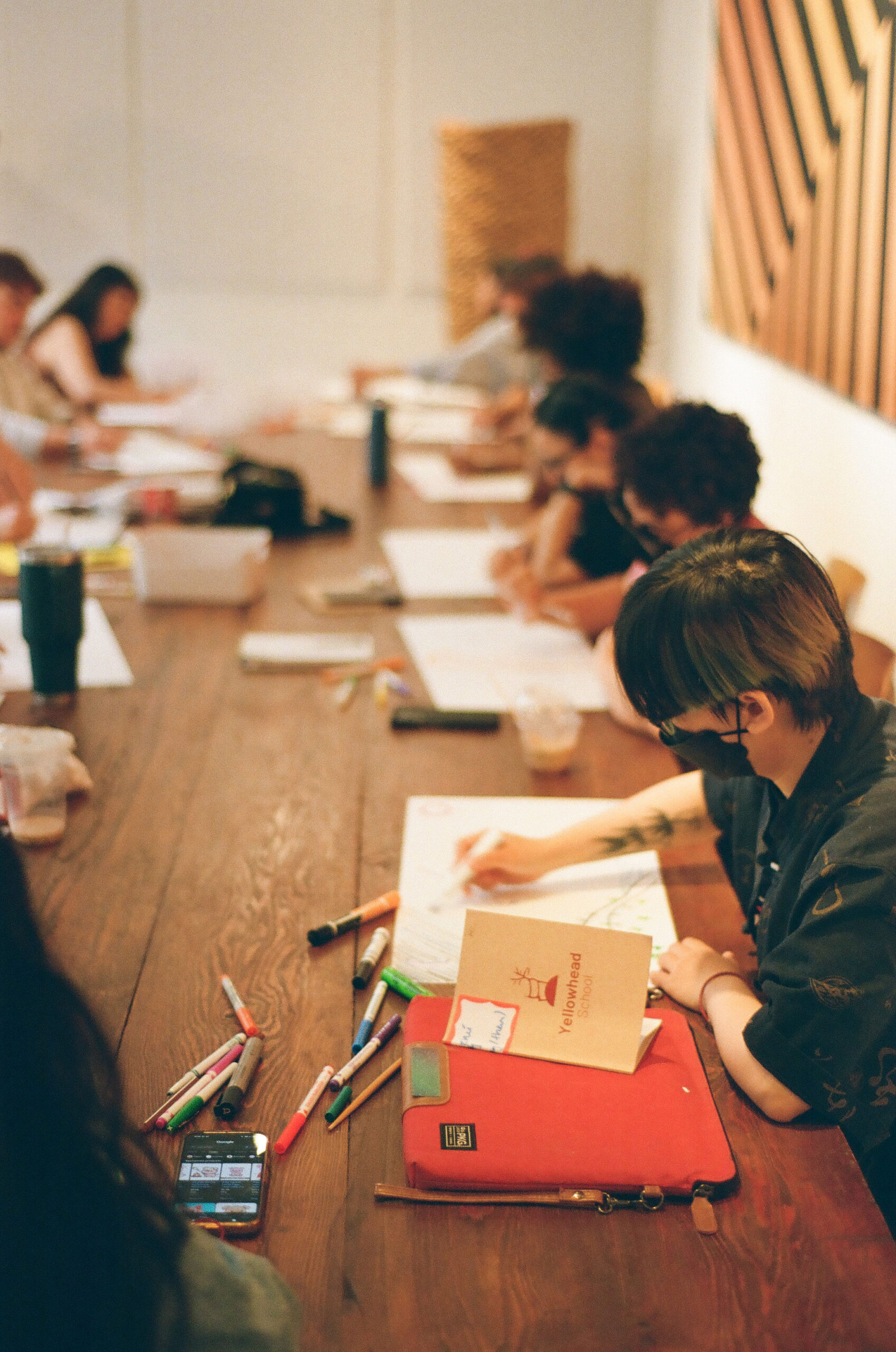
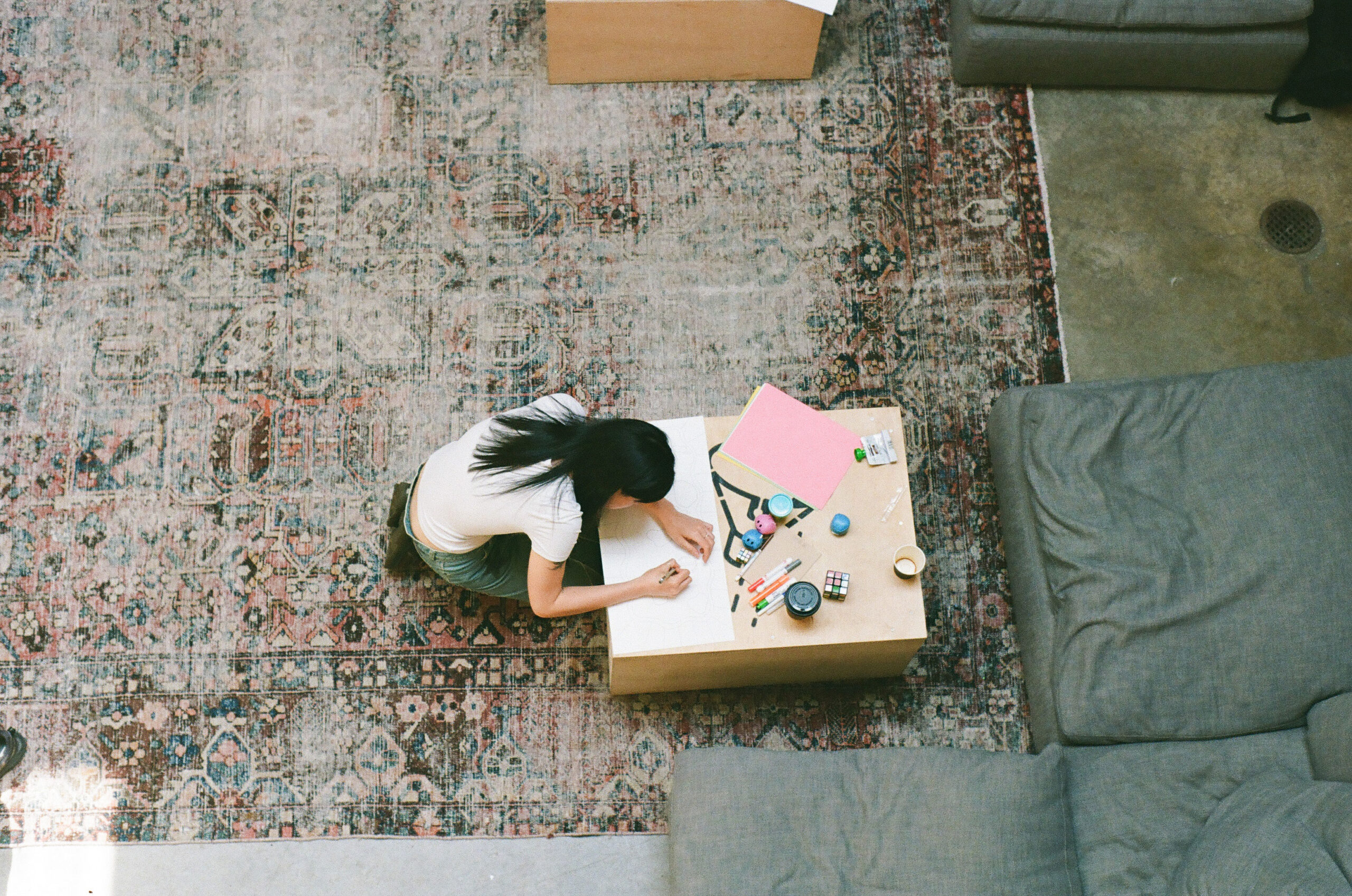
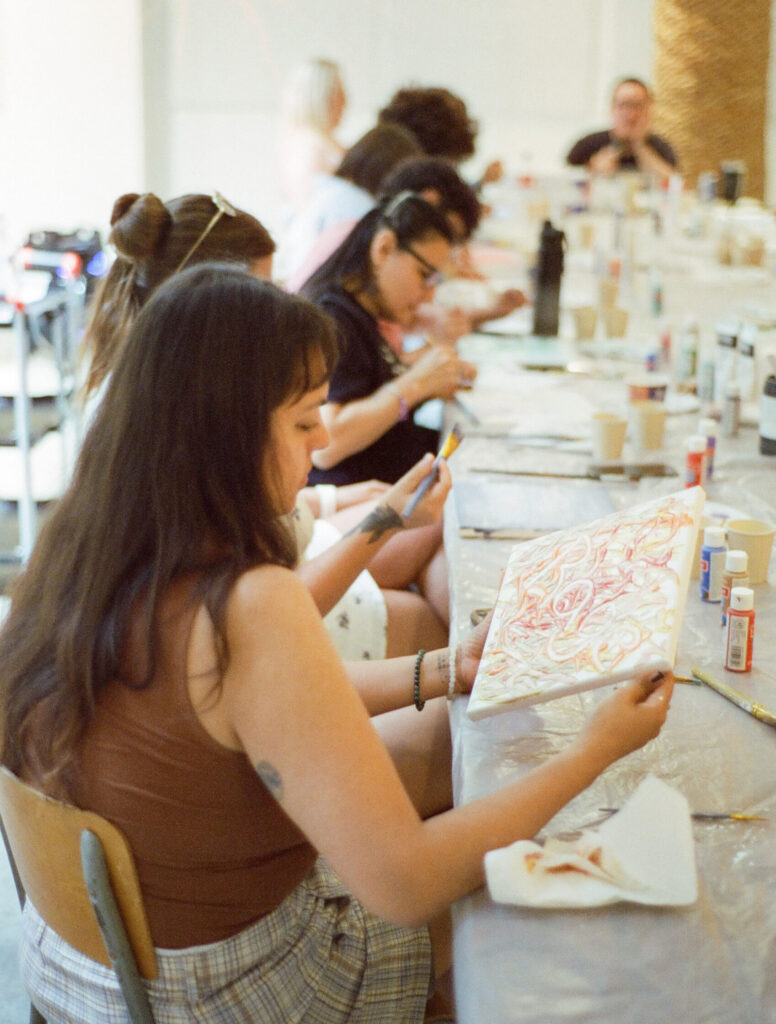
Hands-on art activities formed a central aspect of MAKE 2026. Finn Simard discussed his personal artistic practice while guiding participants in a painting workshop, and in Analogue in an AI World by Theo Cuthand, participants drew storyboards. During Indigenous Internationalism by Dr. Hayden King, participants were invited to reflect on Indigenous practices of diplomacy, and created a web of connected drawings based on ideas and personal values.
Participant Reflections
There were several touch points for reflection and feedback throughout the program. In participants’ reflections, it was clear that the speakers, topics, and discussions resonated with folks and inspired new perspectives around this year’s theme. They spoke positively about learning more about neighbourhood organizing and engaging with different Indigenous, Black and racialized scholars’ and practitioners’ theories and practices.
MAKE [was] such an embodied experience of what other worlds are possible. Hope is hard to find these days, but MAKE reminded me that it exists in how we show up for each other every day, especially when it's inconvenient, uncertain, or difficult. I feel so inspired to be uplifted by my obligations and responsibilities. This work is hard, but being surrounded by people who are committed to building better worlds makes it feel a little more possible.
I have already begun to tell some friends about my experience, and encouraged those who I think would thrive in the program to apply. I am deeply grateful for this experience, and inspired to see how the web of hearts branches out from the program. Having alumni present about their work, and hearing about past cohorts really gave me a sense of how your work reaches out and makes ripples. I am reflecting on where to put my energy next. I will follow Yellowhead and be sure to attend events and learn about projects that I can learn from and support. Thank you from my whole soma.”
Meet Our 2026 Faculty

Dr. Hayden King
Beausoleil First Nation
Brianna Olson Pitawanakwat
Anishinaabe, Wiikwemkoong
Nazbah Tom
Diné
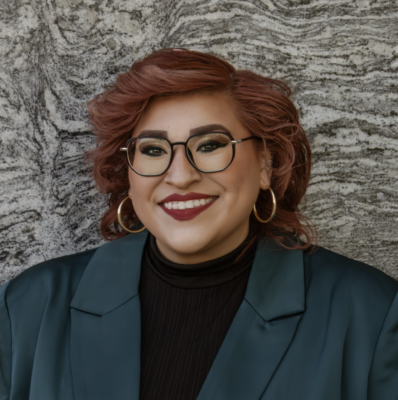
Dr. Autumn BlackDeer
Southern Cheyenne Nation (Tsistsistas)
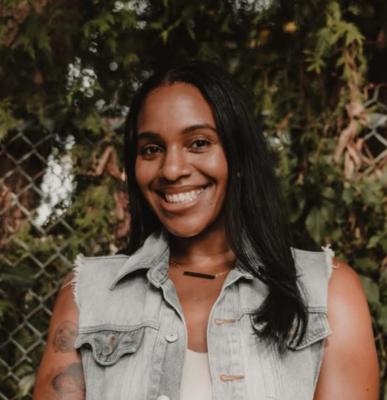
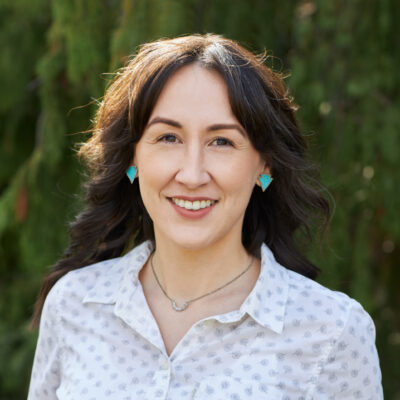
Dr. Megan Scribe
Ininiw iskwew, Norway House Cree Nation
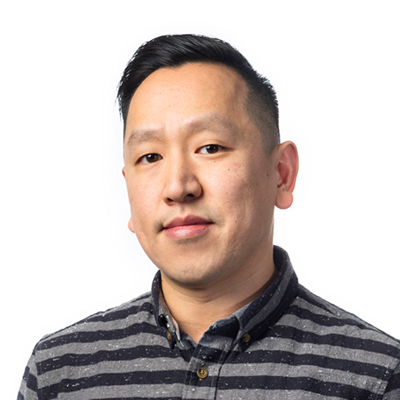
Kelsi-Leigh Balaban
Métis

Cheyanne Valencia-Hinds
Cree, Attawapiskat First Nation.

Sam Wong
Métis

Finn Simard
Anishinaabe-Métis
Meet Our 2026 Selection Committee
MAKE alumni and Research Assistants helped select our 2026 cohort.

Jiyun Alex Jung

Omar Elsharkawy

Courtney Vance
Northern Tutchone, Tahltan, Selkirk First Nation
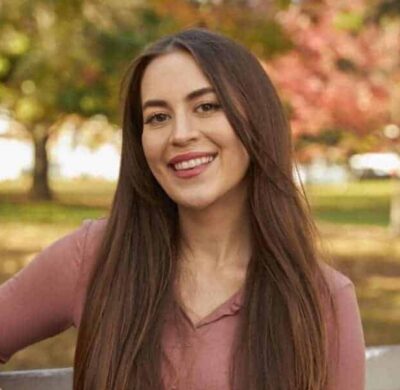
Selene Littlepoplar
Nêhiyawak (Plains Cree), Sweetgrass First Nations